Species Explorer
Browse and search species from the IUCN Red List and GBIF.
2,012 species
Acheron spring goby
CRKnipowitschia milleri
The primary threats to the Acheron spring goby have not been formally assessed or documented by conservation scientists. Without this threat assessment data, it's not possible to identify the specific dangers facing this species or describe what might be causing population declines. The status of whether threats are increasing, stable, or decreasing cannot be determined without proper scientific evaluation.

Aci Göl Killifish
CRAphanius transgrediens
Based on the provided information, the threats to the Aci Göl Killifish have not been assessed, so the specific dangers facing this species are currently unknown. Without a proper threat assessment, scientists cannot determine what factors might be putting this fish at risk or how severe those risks might be. It is therefore impossible to determine whether threats to this species are increasing, stable, or decreasing.
Acultzingo Pigmy Salamander
CRThorius dubitus
The primary threats to the Acultzingo Pigmy Salamander have not been formally assessed or documented by conservation scientists. Without this threat assessment data, it's unclear what specific dangers this species faces in its natural habitat. The status of whether threats are increasing, stable, or decreasing cannot be determined without proper scientific evaluation.
Adamson's Grunter
CRHephaestus adamsoni
The primary threats to Adamson's Grunter have not been formally assessed or documented by conservation scientists. Without this threat assessment data, it's not possible to identify the specific dangers this fish species faces in its natural habitat. The status of whether threats are increasing, stable, or decreasing cannot be determined without proper scientific evaluation.
Adana Grasshopper
CRChorthippus antecessor
The primary threats to the Adana Grasshopper have not been formally assessed or documented by scientists, so the specific dangers this species faces remain unknown. Without this threat assessment, it's impossible to determine whether the risks to this grasshopper are getting worse, staying the same, or improving over time.

Addax
CRAddax nasomaculatus
Based on the threat data provided, the primary threats to the Addax have not been assessed, so I cannot provide a summary of specific threats facing this species. Without threat assessment data, it's not possible to determine whether threats are intensifying, stable, or decreasing.

Aders' duiker
CRCephalophus adersi
Based on the provided threat data, the specific threats facing Aders' duiker have not been formally assessed or documented. Without a proper threat assessment, it's impossible to identify what dangers this species faces or understand the severity of different pressures on its survival. The status of whether threats are increasing, stable, or decreasing cannot be determined without this essential threat information.
Admirable-Redbelly-toad
CRMelanophryniscus admirabilis
Based on the available data, the specific threats facing the Admirable Redbelly Toad have not yet been formally assessed or documented by researchers. Without a proper threat assessment, scientists cannot determine what dangers this species faces in the wild or how severe they might be. It is therefore unknown whether threats to this toad are increasing, stable, or decreasing over time.
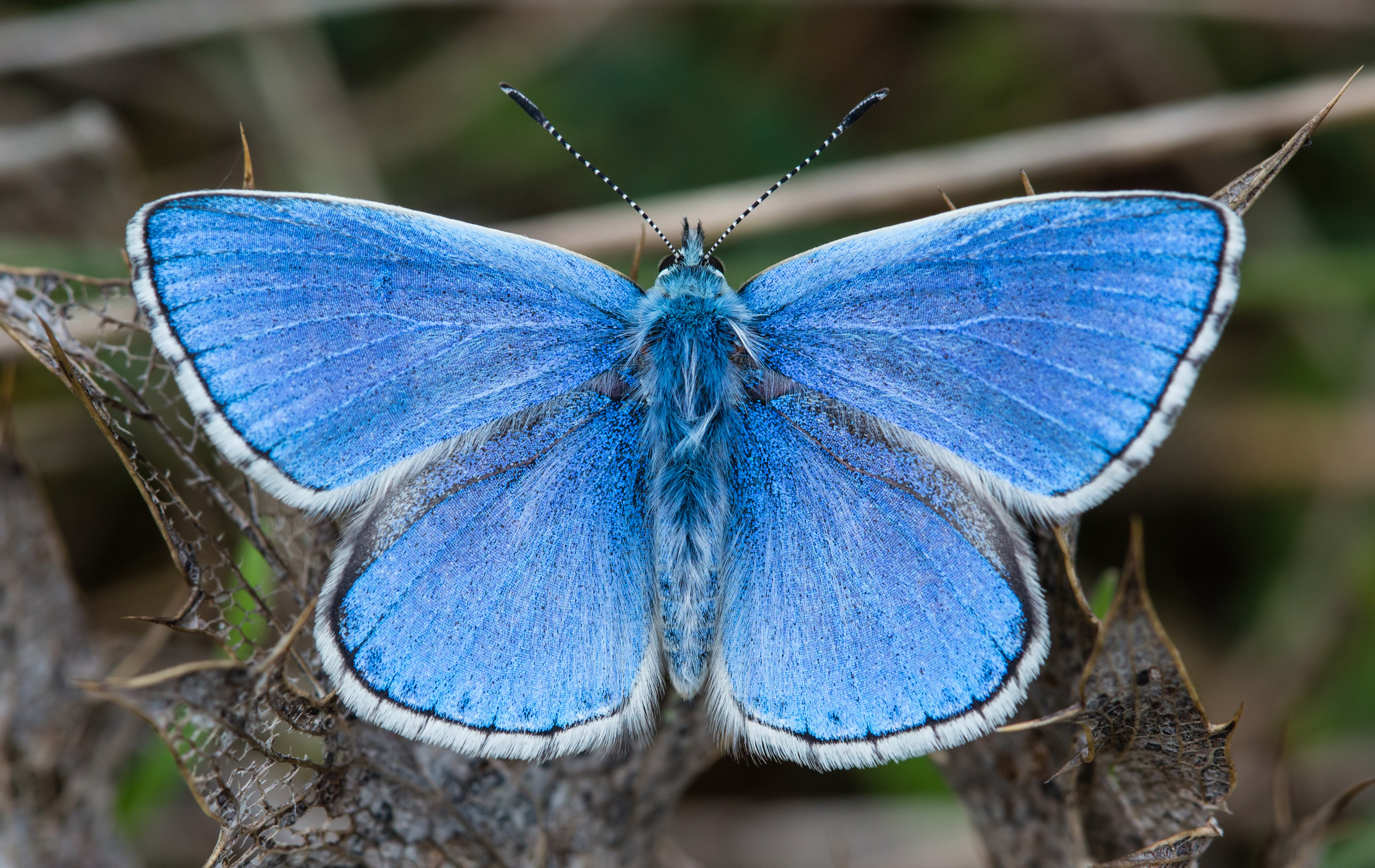
Adonis Blue
CRLysandra bellargus
Based on the available data, the primary threats to the Adonis Blue butterfly have not been formally assessed or documented in standardized threat evaluations. Without this assessment information, it's not possible to identify the specific dangers this species faces, such as particular types of habitat destruction, climate impacts, or other pressures. The trend in threat intensity cannot be determined due to the lack of available threat data.

Adriatic sturgeon
CRAcipenser naccarii
Based on the provided threat data, the specific threats to Adriatic sturgeon have not been assessed or documented in detail. Without this threat assessment information, it's not possible to describe the particular dangers facing this species or determine whether these threats are getting worse, staying the same, or improving over time.

Ådselgraver
CRNicrophorus interruptus
The specific threats to Ådselgraver (Nicrophorus interruptus) have not been assessed or documented by researchers. Without this threat assessment data, it's impossible to determine what particular dangers this species faces or how human activities might be affecting its survival. The status of threats to this species - whether they are increasing, stable, or decreasing - cannot be determined without proper scientific evaluation.

Aeolian Wall Lizard
CRPodarcis raffonei
Based on the available data, the specific threats facing the Aeolian Wall Lizard have not been formally assessed or documented. Without this threat assessment information, it's not possible to identify what particular dangers this species faces or describe how human activities or environmental changes might be affecting its survival. The current status of whether threats to this lizard are getting worse, staying the same, or improving cannot be determined without proper threat evaluation data.
agnhodeedderkopp
CRWalckenaeria alticeps
The threats to agnhodeedderkopp (Walckenaeria alticeps) have not been assessed, so the specific dangers this spider species faces are currently unknown. Without a proper threat evaluation, scientists cannot determine what factors might be putting this species at risk or affecting its survival. The status of whether threats are intensifying, stable, or decreasing cannot be determined without an assessment.

Agua Robber Frog
CRPristimantis pugnax
The primary threats to the Agua Robber Frog have not been formally assessed or documented by conservation scientists. Without this threat assessment data, it's unclear what specific dangers this species faces in its natural habitat. The status of threats to this frog - whether they are getting worse, staying the same, or improving - cannot be determined without proper scientific evaluation.
Aiwaso Mogurnda
CRMogurnda aiwasoensis
The threats to Aiwaso Mogurnda have not been formally assessed or documented by researchers. Without this threat assessment, it's unclear what specific dangers this fish species faces in its natural habitat. The status of threats to this species - whether they are getting worse, staying the same, or improving - cannot be determined without proper scientific evaluation.
Ajamaru Lakes Rainbowfish
CRMelanotaenia ajamaruensis
The specific threats to the Ajamaru Lakes Rainbowfish have not been formally assessed or documented by conservation scientists. Without this threat assessment data, it's unclear what particular dangers this freshwater fish species may be facing in its natural habitat. The status of whether threats to this species are increasing, stable, or decreasing cannot be determined without proper scientific evaluation.

åkerväddsvecklare
CRSelenodes karelica
The specific threats to åkerväddsvecklare (Selenodes karelica) have not been assessed or documented by researchers. Without this threat assessment data, it's impossible to determine what dangers this species faces or how severe they might be. The status of threats to this species - whether they are increasing, stable, or decreasing - cannot be determined without proper scientific evaluation.
Alabama Cavefish
CRSpeoplatyrhinus poulsoni
Based on the available data, the specific threats facing the Alabama Cavefish have not been formally assessed or documented. Without a proper threat evaluation, it's unclear what particular dangers this cave-dwelling fish species may be encountering in its underground habitat. The status of whether threats are increasing, stable, or decreasing cannot be determined without this essential threat assessment data.

Alabama Lampmussel
CRLampsilis virescens
Based on the available information, the specific threats to the Alabama Lampmussel have not been formally assessed or documented in detail. Without a proper threat assessment, it's unclear what particular dangers this freshwater mussel species faces, though freshwater mussels generally can be affected by factors like water pollution, dam construction, and changes to river flow patterns. The status of whether threats to this species are increasing, stable, or decreasing cannot be determined without proper threat evaluation data.
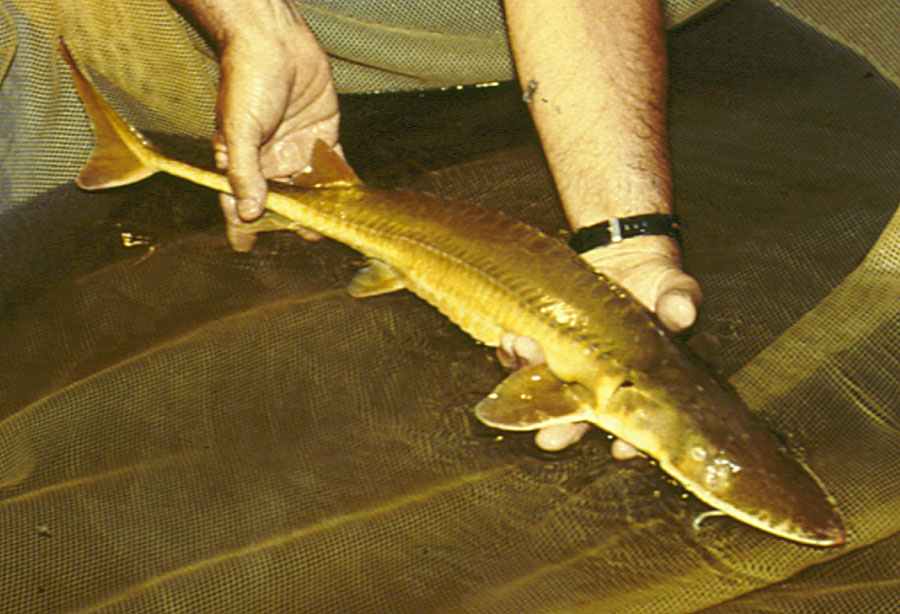
Alabama Sturgeon
CRScaphirhynchus suttkusi
Based on the provided threat data, the specific threats to Alabama Sturgeon have not been assessed or documented in detail. Without a formal threat assessment, it's not possible to identify the particular dangers this species faces, such as dam construction blocking migration routes, water pollution from industrial sources, or overfishing. The status of threats cannot be determined as increasing, stable, or decreasing without proper threat assessment data.
Albanian Saddle Bush-cricket
CRUromenus dyrrhachiacus
The specific threats to the Albanian Saddle Bush-cricket have not yet been assessed by scientists, so the main dangers facing this species are currently unknown. Without this threat assessment, it's impossible to determine whether the risks to this cricket species are getting worse, staying the same, or improving over time.
Alberca Silverside
CRChirostoma bartoni
The threats to the Alberca Silverside have not been assessed or documented by scientists yet. Without this information, it's unclear what specific dangers this fish species may be facing in its environment. The status of threats to this species cannot be determined as increasing, stable, or decreasing due to the lack of available data.
Alchichica Silverside
CRPoblana alchichica
The threats to the Alchichica Silverside have not been formally assessed or documented by conservation scientists. Without this threat assessment data, it's not possible to identify what specific dangers this fish species may be facing in its environment. The status of whether threats are increasing, stable, or decreasing cannot be determined without proper scientific evaluation.
Alfken's Mini-miner
CRAndrena alfkenella
The primary threats to Alfken's Mini-miner have not been assessed or documented by researchers, so the specific dangers facing this bee species are currently unknown. Without this threat assessment data, it's impossible to determine whether the risks to this species are getting worse, staying the same, or improving over time.

Algarve nase
CRIberochondrostoma almacai
Based on the available information, the specific threats to the Algarve nase have not been formally assessed or documented. Without a proper threat evaluation, it's unclear what particular dangers this fish species faces in its natural habitat. The status of whether threats are increasing, stable, or decreasing cannot be determined without this essential threat assessment data.
Almirante Trail Toad
CRIncilius peripatetes
The primary threats to the Almirante Trail Toad have not been formally assessed or documented by scientists. Without this threat assessment data, it's unclear what specific dangers this species faces in its environment. The status of threats to this toad - whether they are getting worse, staying the same, or improving - cannot be determined without proper scientific evaluation.

Almiri Killifish
CRAphanius almiriensis
Based on the available information, the specific threats facing the Almiri Killifish have not yet been formally assessed or documented by researchers. Without a proper threat assessment, it's unclear what dangers this species may be facing in its natural habitat. The status of whether threats are increasing, stable, or decreasing cannot be determined until a comprehensive evaluation is completed.
Alpen-hammerhornschwebfliege
CRIschyroptera bipilosa
The threats to the Alpen-hammerhornschwebfliege (Ischyroptera bipilosa) have not been assessed or documented by scientists yet. Without this assessment, it's unclear what specific dangers this alpine hoverfly species may be facing in its mountain habitat. The status of threats to this species - whether they are getting worse, staying the same, or improving - cannot be determined without proper scientific evaluation.

Alta Verapaz Spikethumb Frog
CRPlectrohyla teuchestes
The specific threats to the Alta Verapaz Spikethumb Frog have not been formally assessed or documented by researchers. Without this threat assessment data, it's impossible to determine what dangers this species faces or how severe they might be. The trend of threats to this species cannot be determined due to lack of available information.
alvardyngbagge
CRAcanthobodilus immundus
The threats to alvardyngbagge (Acanthobodilus immundus) have not been assessed or documented by scientists yet. Without this threat assessment, it's impossible to know what specific dangers this species faces or how serious they might be. The trend of these unknown threats cannot be determined until proper scientific evaluation is completed.
Amatola Toad
CRVandijkophrynus amatolicus
The threats to the Amatola Toad have not been formally assessed or documented by researchers. Without this assessment, it's unclear what specific dangers this species faces in its natural habitat. The status of threats to this toad - whether they are getting worse, staying the same, or improving - cannot be determined without proper scientific evaluation.
Amazon Giant Glass Frog
CRCentrolene pipilatum
The primary threats to the Amazon Giant Glass Frog have not been formally assessed or documented by conservation scientists. Without this threat assessment data, it's unclear what specific dangers this species faces, though many rainforest amphibians typically encounter challenges from forest clearing, pollution, disease, and climate changes. The trend of these threats cannot be determined without proper scientific evaluation.

amazonmyra
CRPolyergus rufescens
Based on the available data, the primary threats to amazonmyra (Polyergus rufescens) have not been assessed or documented by researchers. Without a formal threat evaluation, it's unclear what specific dangers this species faces in its natural habitat. The status of threats to this species cannot be determined as increasing, stable, or decreasing due to the lack of assessment data.

American Burying Beetle
CRNicrophorus americanus
Based on the provided threat data, the specific threats to the American Burying Beetle have not been assessed or documented in detail. Without a formal threat assessment, it's not possible to identify the particular dangers this species faces, such as specific types of habitat destruction, pollution sources, or other environmental pressures. The status of whether threats are intensifying, stable, or decreasing cannot be determined without this threat assessment data.

Amur Sturgeon
CRAcipenser schrenckii
Based on the provided threat data, the specific threats facing Amur Sturgeon have not been formally assessed or documented in detail. Without this threat assessment information, it's not possible to identify the particular challenges this species faces, such as dam construction blocking migration routes, overfishing for caviar, or pollution from industrial activities. The status of whether threats are increasing, stable, or decreasing cannot be determined without proper threat assessment data.
Anatipes Robber Frog
CRStrabomantis anatipes
The primary threats to the Anatipes Robber Frog have not been formally assessed or documented by conservation scientists. Without a proper threat assessment, it's unclear what specific dangers this species faces in its natural habitat. The status of threats to this frog - whether they are getting worse, staying the same, or improving - cannot be determined without further research.
Andalgala Water Frog
CRTelmatobius scrocchii
The threats to the Andalgala Water Frog have not been formally assessed or documented by researchers. Without this threat assessment data, it's unclear what specific dangers this species faces in its natural habitat. The status of threats to this frog - whether they are getting worse, staying the same, or improving - cannot be determined without proper scientific evaluation.
Andaman White-toothed Shrew
CRCrocidura andamanensis
The specific threats to the Andaman White-toothed Shrew have not been formally assessed or documented by researchers. Without this threat assessment data, it's unclear what particular dangers this species faces in its island habitat. The status of whether threats are increasing, stable, or decreasing cannot be determined without proper scientific evaluation.
Andean Catfish
CRAstroblepus ubidiai
The primary threats to the Andean Catfish (Astroblepus ubidiai) have not been formally assessed or documented by conservation scientists. Without this threat assessment data, it's unclear what specific dangers this species faces in its natural habitat. The status of whether threats to this species are increasing, stable, or decreasing cannot be determined without proper scientific evaluation.

Andean Condor
CRVultur gryphus
Based on the threat data provided, the specific threats facing the Andean Condor have not been formally assessed or documented in this source. Without detailed threat information available, it's not possible to describe the particular challenges this species faces or determine whether these threats are increasing, stable, or decreasing over time.
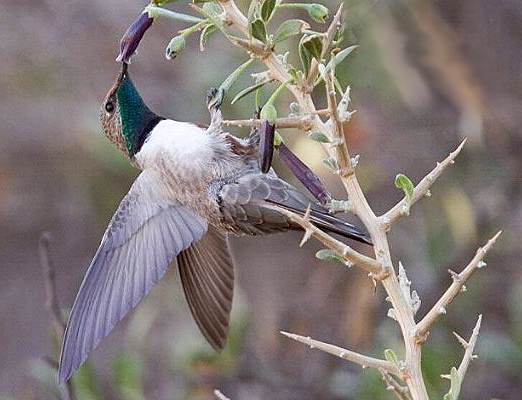
Andean Hillstar
CROreotrochilus estella
Based on the available data, the primary threats to the Andean Hillstar have not been formally assessed or documented. Without a proper threat evaluation, it's unclear what specific dangers this high-altitude hummingbird species may be facing in its mountain habitat. The trend of these unknown threats cannot be determined until a comprehensive assessment is completed.
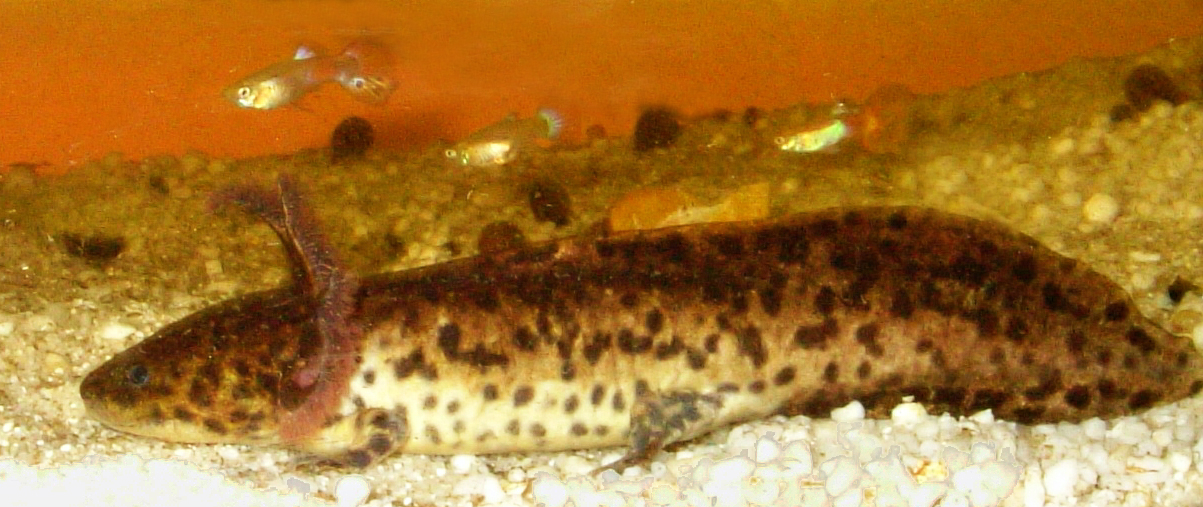
Anderson's Salamander
CRAmbystoma andersoni
The primary threats to Anderson's Salamander have not been formally assessed or documented by conservation scientists. Without this threat assessment data, it's not possible to identify the specific dangers this species faces or understand what might be causing population changes. The status of threats to this salamander - whether they are getting worse, staying the same, or improving - cannot be determined without proper scientific evaluation.
Angel Island Mouse
CRPeromyscus guardia
The specific threats facing the Angel Island Mouse have not been formally assessed or documented by conservation scientists. Without this threat assessment data, it's not possible to identify what particular dangers this species may be facing, such as habitat destruction, invasive species, or climate change impacts. The status of threats to this species - whether they are getting worse, staying the same, or improving - cannot be determined without proper scientific evaluation.
Angel Robber Frog
CRCraugastor angelicus
Based on the available data, the specific threats facing the Angel Robber Frog have not yet been formally assessed or documented by researchers. Without a proper threat assessment, it's unclear what particular dangers this species may be encountering in its natural habitat. The current status of threats to this frog - whether they are getting worse, staying the same, or improving - cannot be determined until scientists conduct a thorough evaluation.
Angel's Five-toed Skink
CRLacertaspis lepesmei
The specific threats facing Angel's Five-toed Skink have not been formally assessed or documented by researchers. Without this threat assessment data, it's unclear what particular dangers this species may be encountering in its natural habitat. The status of whether threats to this skink are getting worse, staying the same, or improving cannot be determined without proper scientific evaluation.
![Angelshark, Monkfish [shark]](https://upload.wikimedia.org/wikipedia/commons/3/30/Squatina_squatina_120867948.jpg)
Angelshark, Monkfish [shark]
CRSquatina squatina
Based on the provided threat data, the specific threats to the Angelshark (Squatina squatina) have not been assessed or documented in detail. Without a formal threat assessment, it's not possible to identify the particular dangers this species faces or describe how human activities or environmental changes may be affecting their populations. The current status of whether threats to this species are increasing, stable, or decreasing cannot be determined without proper threat evaluation data.
Anita's False Brook Salamander
CRPseudoeurycea anitae
The specific threats facing Anita's False Brook Salamander have not yet been assessed by scientists, so we don't currently know what dangers this species faces in the wild. Without this threat assessment, it's impossible to determine what human activities or environmental changes might be putting pressure on their populations. Since no threat evaluation has been completed, we cannot determine whether any potential threats are getting worse, staying the same, or improving over time.

Ant
CRAnergates atratulus
The primary threats to Anergates atratulus have not been assessed or documented by conservation scientists. Without a formal threat assessment, it's unclear what specific dangers this ant species may be facing in its natural habitat. The status of threats to this species - whether they are increasing, stable, or decreasing - cannot be determined without proper scientific evaluation.
Anthophore estivale
CRAnthophora aestivalis
The primary threats to Anthophora aestivalis (a type of solitary bee) have not been formally assessed or documented by conservation scientists. Without a proper threat assessment, it's unclear what specific dangers this bee species may be facing, such as habitat destruction, pesticide use, or climate change impacts. The status of threats to this species cannot be determined as increasing, stable, or decreasing due to the lack of available data.

Apolinar's Wren
CRCistothorus apolinari
Based on the provided threat data, the specific threats facing Apolinar's Wren have not been formally assessed or documented. Without a proper threat assessment, it's not possible to identify what particular dangers this species faces or describe how human activities might be affecting its survival. The current status of whether threats are increasing, stable, or decreasing cannot be determined without this essential threat information.