Species Explorer
Browse and search species from the IUCN Red List and GBIF.
54,666 species

Ptilinopus arcanus
CRPtilinopus arcanus
Aegotheles savesi
CRAegotheles savesi
Loxioides bailleui
CRLoxioides bailleui
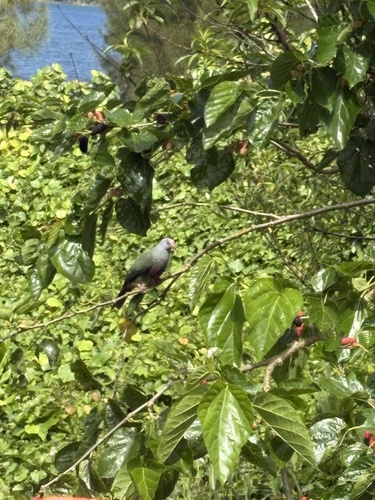
Ptilinopus huttoni
CRPtilinopus huttoni

Zamia monticola
CRZamia monticola
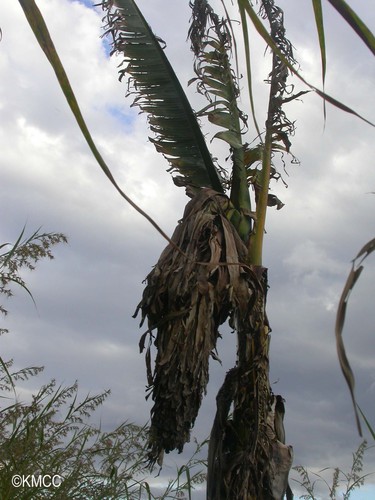
Ensete perrieri
CREnsete perrieri
Fraxinus americana
CRFraxinus americana
Heptapleurum curranii
CRHeptapleurum curranii
Cynanchum nielsenii
VUCynanchum nielsenii
Horsfieldia obscurinervia
ENHorsfieldia obscurinervia
Myristica frugifera
VUMyristica frugifera
Myristica longepetiolata
ENMyristica longepetiolata
Heptapterus multiradiatus
CRHeptapterus multiradiatus
The threats to Bagrinho-do-tietê (Heptapterus multiradiatus) have not been formally assessed or documented by researchers. Without this threat assessment data, it's impossible to determine what specific dangers this fish species faces or how severe they might be. The status of threats to this species - whether they are increasing, stable, or decreasing - cannot be determined without proper scientific evaluation.
Myristica pilosigemma
CRMyristica pilosigemma
Kibatalia macgregorii
CRKibatalia macgregorii
Ailurus fulgens
ENAilurus fulgens
The red panda faces multiple serious threats including the clearing of forests for logging and wood harvesting, expansion of livestock farming that destroys their habitat, and hunting by people who trap them for various purposes. Additional pressures come from road construction that fragments their living areas, invasive diseases, natural disasters like landslides, and climate-related changes that alter their mountain forest homes. All of these threats are currently ongoing and appear to be intensifying due to increasing human development in the regions where red pandas live.
Pseudoeurycea aquatica
CRPseudoeurycea aquatica
The primary threats to the Aquatic Salamander have not been formally assessed or documented by conservation scientists. Without this threat assessment data, it's not possible to identify the specific dangers this species faces or understand what might be causing population changes. The status of threats to this species cannot be determined as increasing, stable, or decreasing due to the lack of available information.
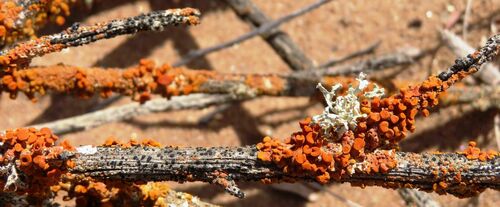
Lecidea sarcogynoides
CRLecidea sarcogynoides
Kibatalia puberula
ENKibatalia puberula
Passiflora pamplonensis
CRPassiflora pamplonensis
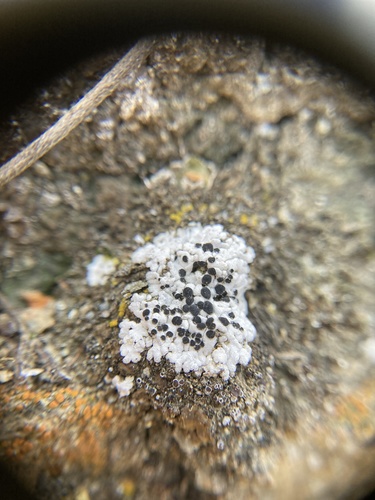
Buellia asterella
CRBuellia asterella
Secamone racemosa
VUSecamone racemosa
Hopea quisumbingiana
ENHopea quisumbingiana
Myristica laevis
ENMyristica laevis
Buellia violaceofusca
CRBuellia violaceofusca
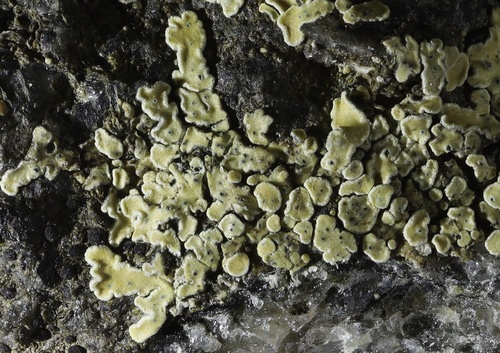
Cercidospora macrospora
CRCercidospora macrospora
Parinari pachyphylla
ENParinari pachyphylla

Squatina squatina
CRSquatina squatina
Based on the provided threat data, the specific threats to the Angelshark (Squatina squatina) have not been assessed or documented in detail. Without a formal threat assessment, it's not possible to identify the particular dangers this species faces or describe how human activities or environmental changes may be affecting their populations. The current status of whether threats to this species are increasing, stable, or decreasing cannot be determined without proper threat evaluation data.
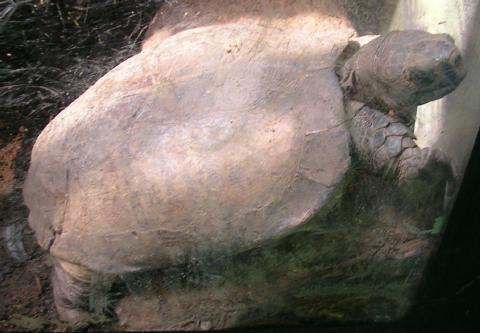
Heosemys depressa
CRHeosemys depressa
Based on the available information, the specific threats to the Arakan Forest Turtle have not been formally assessed or documented. Without a proper threat evaluation, it's unclear what particular dangers this species faces in the wild, such as habitat destruction, hunting, or other human activities. The status of whether threats are increasing, stable, or decreasing cannot be determined without this assessment data.
Myristica rubrinervis
VUMyristica rubrinervis
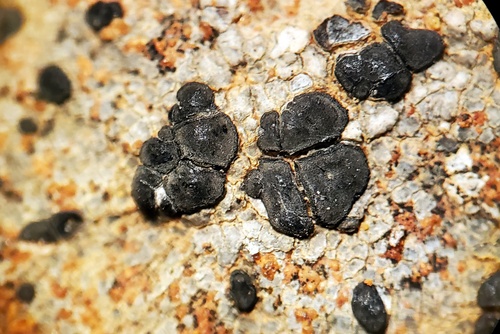
Lecidea diducens
CRLecidea diducens
Dolichopetalum kwangsiense
VUDolichopetalum kwangsiense
Gnetum arboreum
VUGnetum arboreum
Actinodaphne bicolor
ENActinodaphne bicolor
Bunolagus monticularis
CRBunolagus monticularis
Alasmidonta raveneliana
CRAlasmidonta raveneliana
Based on the provided threat data, the primary threats to the Appalachian elktoe have not been formally assessed or documented. Without a proper threat evaluation, it's unclear what specific dangers this freshwater mussel species faces in its natural habitat. The status of whether threats are increasing, stable, or decreasing cannot be determined without this essential threat assessment data.
Carcharhinus borneensis
CRCarcharhinus borneensis
Actinodaphne dolichophylla
VUActinodaphne dolichophylla
Actinodaphne samarensis
ENActinodaphne samarensis
Hunga novoguineensis
ENHunga novoguineensis
Cyrtidula hippocastani
CRCyrtidula hippocastani
Dypsis ovobontsira
CRDypsis ovobontsira
Marmosops handleyi
CRMarmosops handleyi
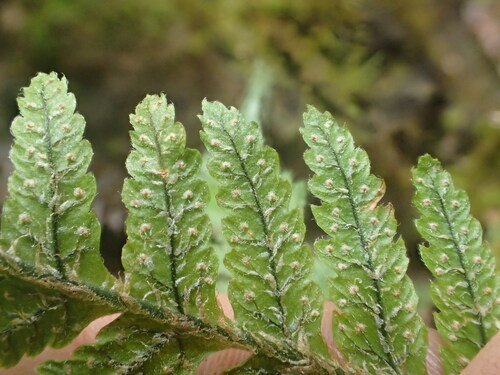
Ctenitis squamigera
CRCtenitis squamigera
Adinandra leytensis
ENAdinandra leytensis
Adinandra macquilingensis
ENAdinandra macquilingensis
Alectryon fuscus
ENAlectryon fuscus
Cercidospora cladoniicola
CRCercidospora cladoniicola

Eleutherodactylus karlschmidti
CREleutherodactylus karlschmidti
Hunga guillauminii
ENHunga guillauminii