Species Explorer
Browse and search species from the IUCN Red List and GBIF.
54,666 species

Scorpion Mud Turtle
VUKinosternon scorpioides

Scotch Argus
CRErebia aethiops

Scottish-briar
VURosa spinosissima

Sea Holly
VUEryngium maritimum
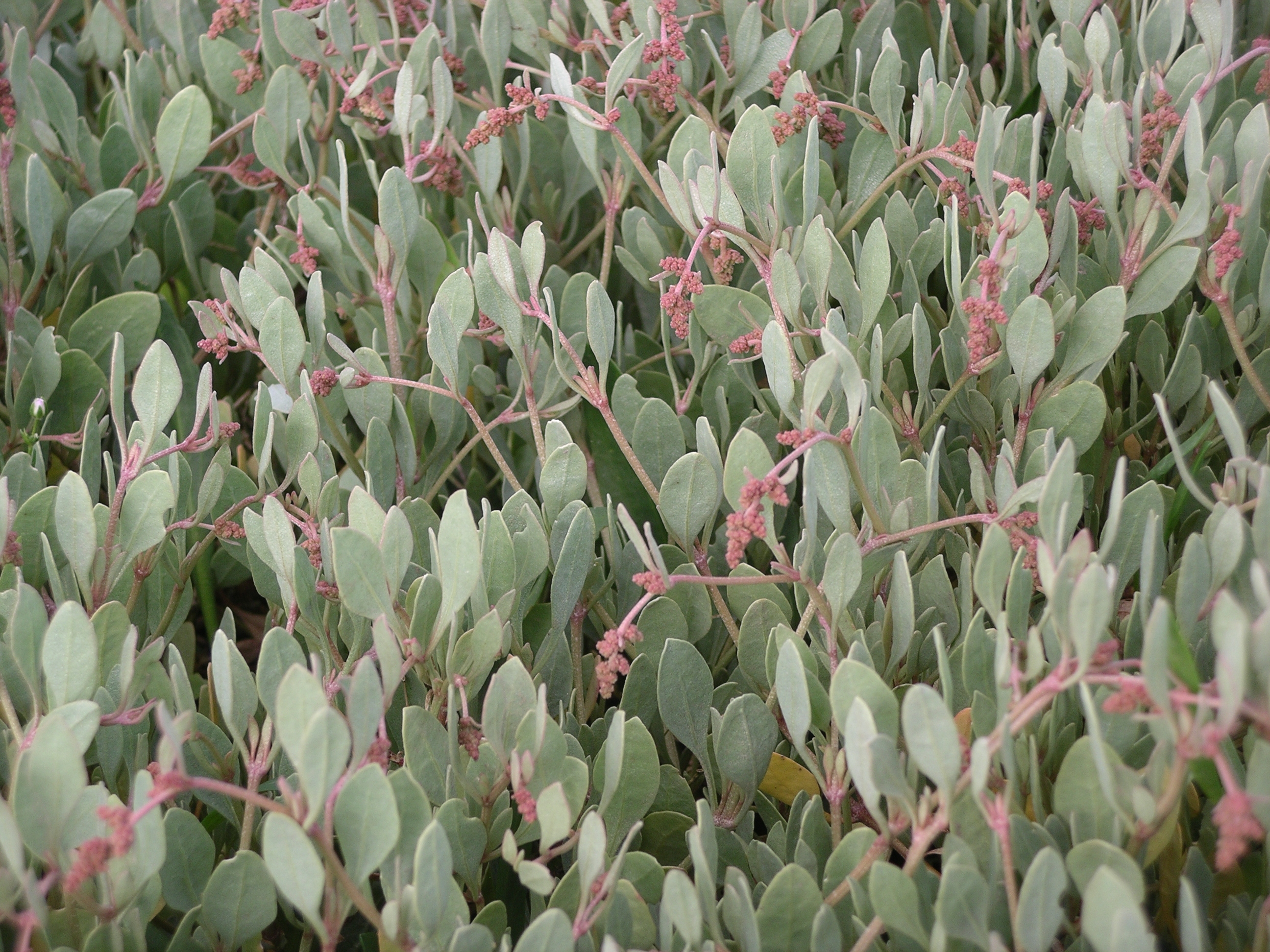
Sea Purslane
CRHalimione portulacoides

Sea Rush
ENJuncus maritimus
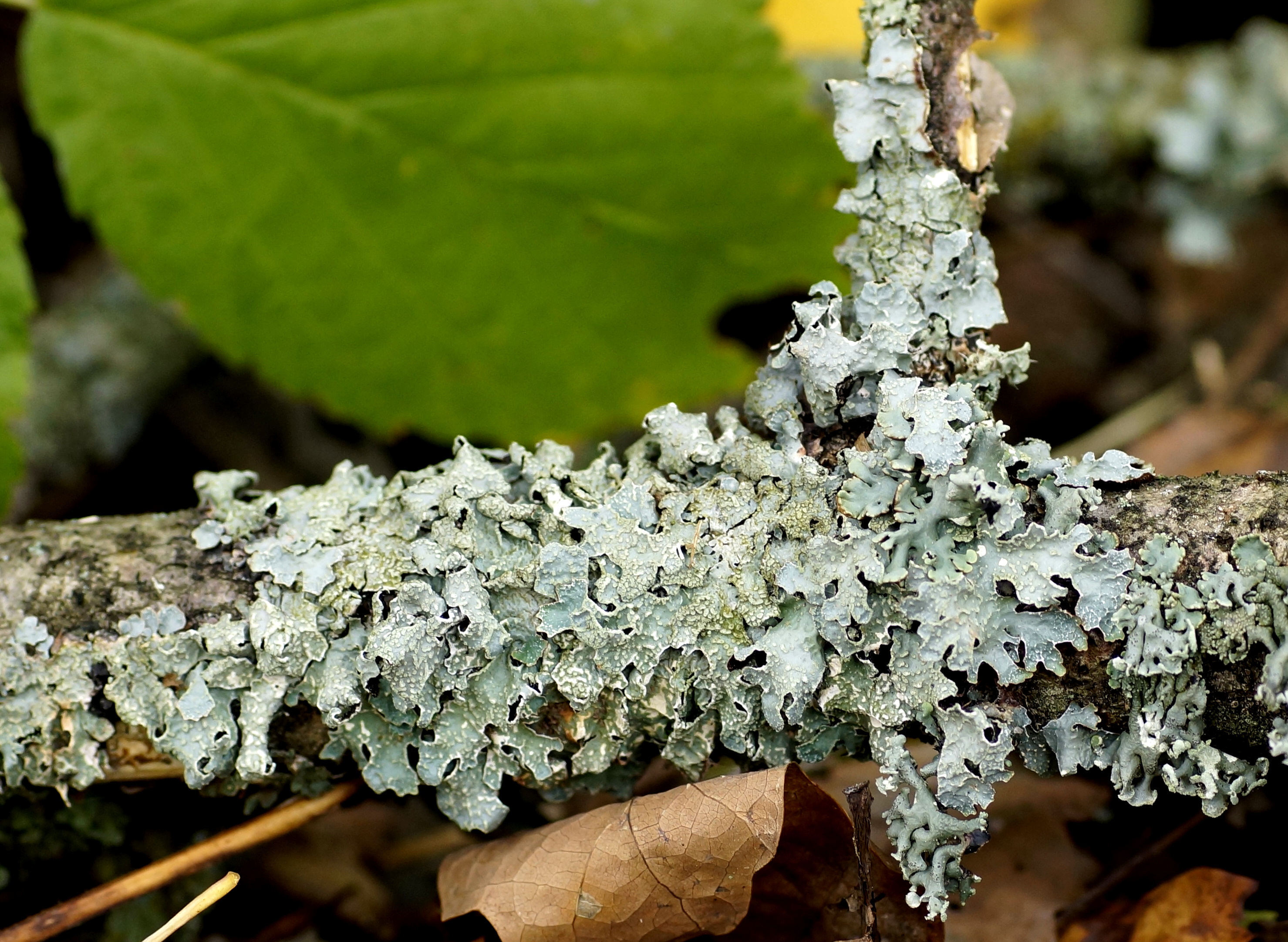
Sea Storm Lichen
VUCetrelia olivetorum
The specific threats to Sea Storm Lichen have not yet been assessed by scientists, so the main dangers this species faces are currently unknown. Without this threat assessment, researchers cannot determine what factors might be causing population declines or putting the species at risk. It is unclear whether threats to this lichen are increasing, stable, or decreasing since no formal evaluation has been conducted.

Sea Wormwood
CRArtemisia maritima

Sea-aster Groundling
ENScrobipalpa salicorniae
Sea-wormwood Weevil
VUPolydrusus pulchellus

Seaside Dock
ENRumex maritimus
The threats to Seaside Dock have not been formally assessed or documented in available scientific literature. Without this threat assessment data, it's not possible to identify the specific dangers this plant species faces or describe what might be causing population declines. Similarly, there is no information available to determine whether any threats are getting worse, staying the same, or improving over time.

Seathorn Groundling, Seathorn Spinner
ENGelechia hippophaella

Sedge Darner
VUAeshna juncea

Sedge Warbler
ENAcrocephalus schoenobaenus
Seibon
CRPachira emarginata
seledderkopp
VUMetopobactrus prominulus
Sematophyllum Moss
VUSematophyllum demissum

Semi-aquatic bugs
VUHebrus pusillus

Semifree Morel
VUMorchella semilibera
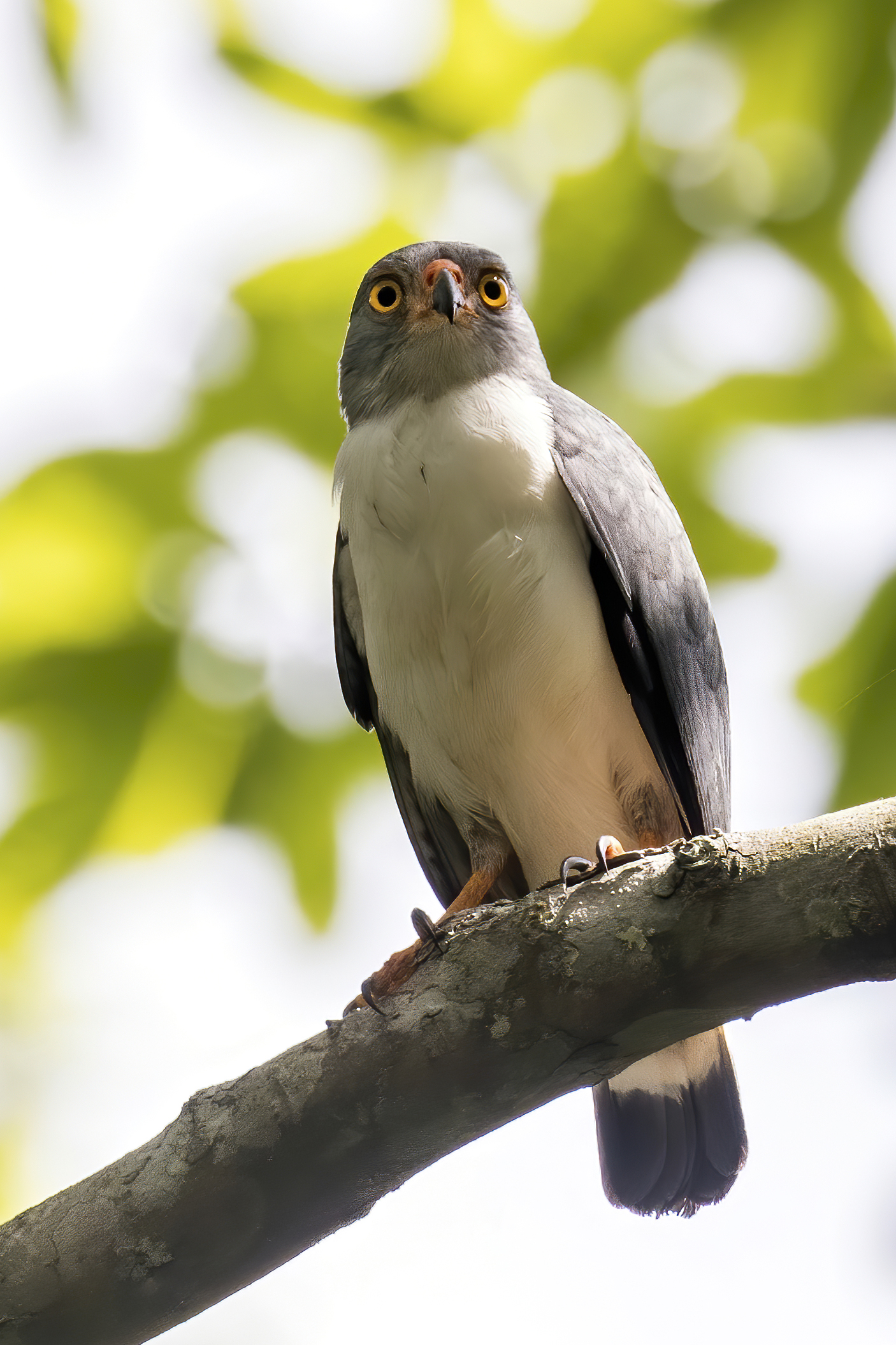
Semiplumbeous Hawk
VULeucopternis semiplumbeus

sen piprörsgräsmal
VUElachista elegans
Señorita
VUAgeneiosus pardalis
Sepia Pinkgill
VUEntoloma jubatum
Serashi
CRTrichilia trifolia

Serotine Bat
VUEptesicus serotinus
The primary threats to Serotine Bats have not been formally assessed or documented in available conservation databases. Without a proper threat assessment, it's unclear whether the dangers facing these bats are getting worse, staying the same, or improving over time.
serpent coral
VUPachyseris rugosa
Serpentine Four-toed Galliwasp
ENCelestus agasepsoides
serpentinkalklav
VUEndocarpon psorodeum

Sessile Earthstar
VUGeastrum fimbriatum
Sessile-leaved Rhodothamnus
CRRhodothamnus sessillifolius
sexmaskros
CRTaraxacum obtusilobum
Seychelles Fineliner
VUTeinobasis alluaudi

Seychelles House Snake
ENLamprophis geometricus
Shade Bramble
VURubus nemorosus

Shaggy Bracket
VUInonotus hispidus
Sharp Rock-bristle
VUSeligeria acutifolia

Sharp-flowered Rush
CRJuncus acutiflorus

Sharp-leaved Fluellen
ENKickxia elatine

Sharp-scaly Pholiota
VUPholiota squarrosoides

Sharp-tailed Tyrant / Sharp-tailed Grass-Tyrant
VUCulicivora caudacuta

Sharpbill
VUOxyruncus cristatus
Sharpsnout Torrent Frog
CRTaudactylus acutirostris
Shasta Salamander
VUHydromantes shastae
Sheep's Bit Dufourea
VUDufourea halictula

Sheep's-bit Conch
VUClepsis pallidana
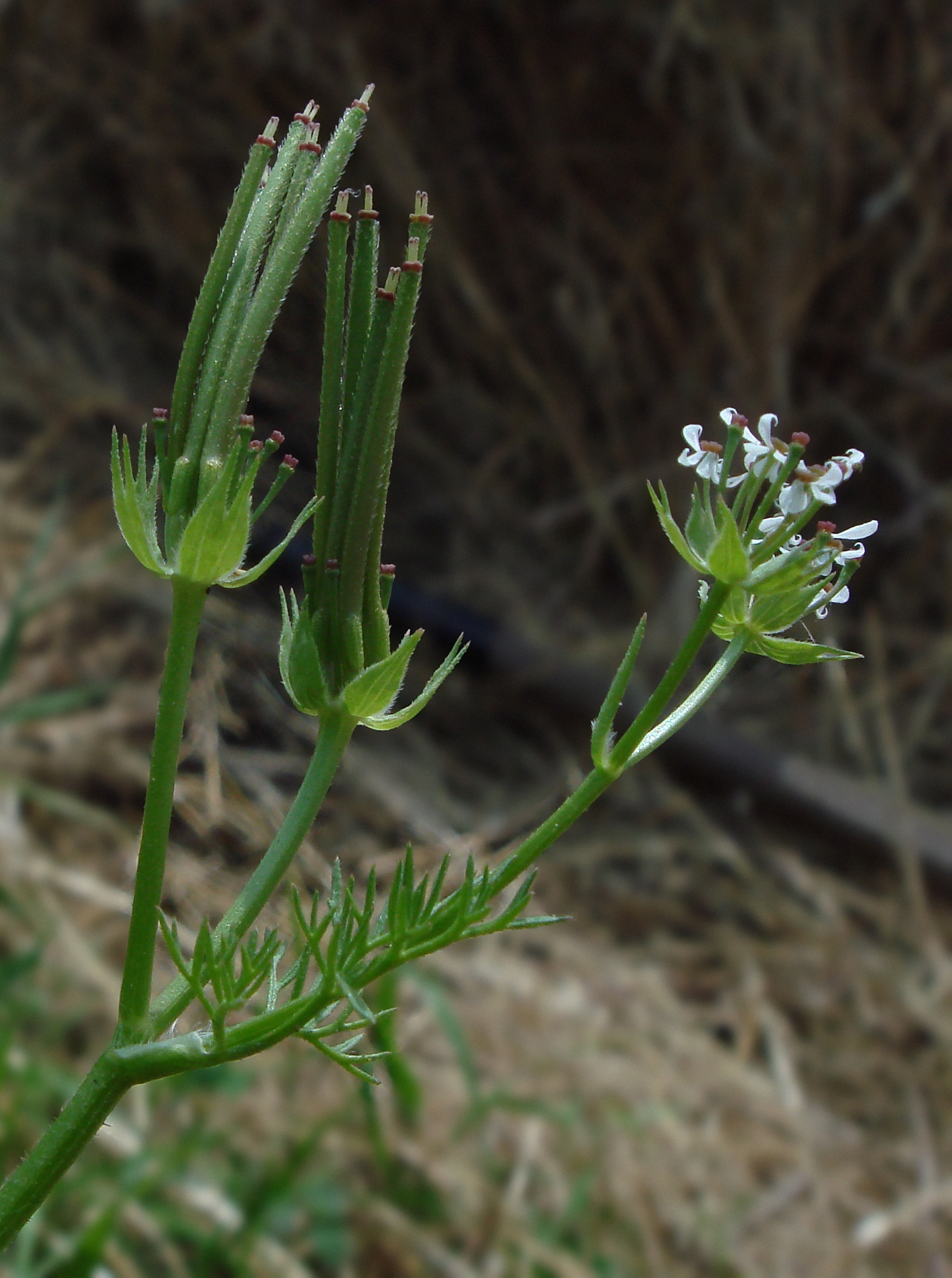
Shepherd's Needle
ENScandix pecten-veneris

Shetland Pondweed
CRPotamogeton rutilus
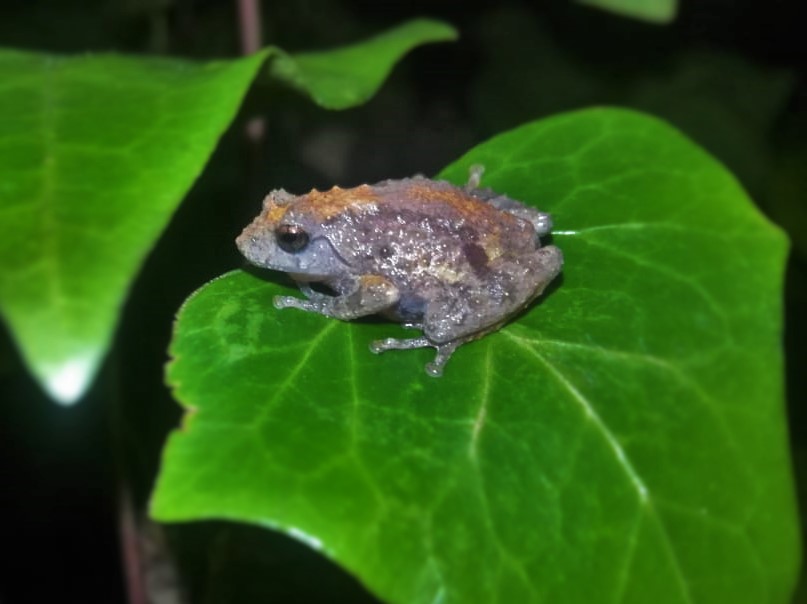
Shillong Bush Frog
CRRaorchestes shillongensis

Shiner Milkcap
CRLactarius uvidus

Shingle Moss
VUNeckera pennata
Based on the available data, the specific threats to Shingle Moss (Neckera pennata) have not been formally assessed or documented. Without a proper threat evaluation, it's unclear what particular dangers this moss species may be facing in its natural habitat. The current threat status appears to be stable at "not assessed," meaning there has been no change in our understanding of what might be endangering this species.