Species Explorer
Browse and search species from the IUCN Red List and GBIF.
54,666 species
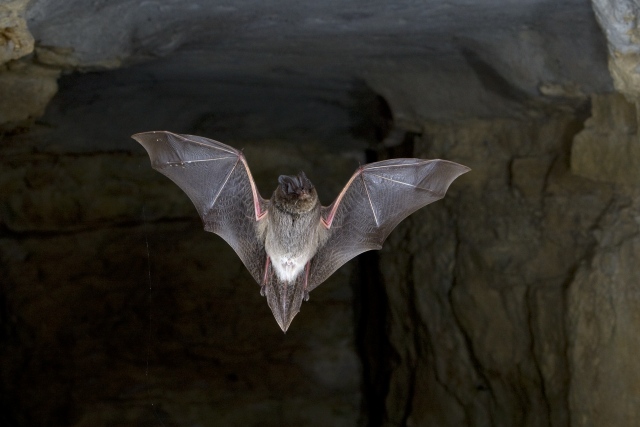
Western Barbastelle
CRBarbastella barbastellus
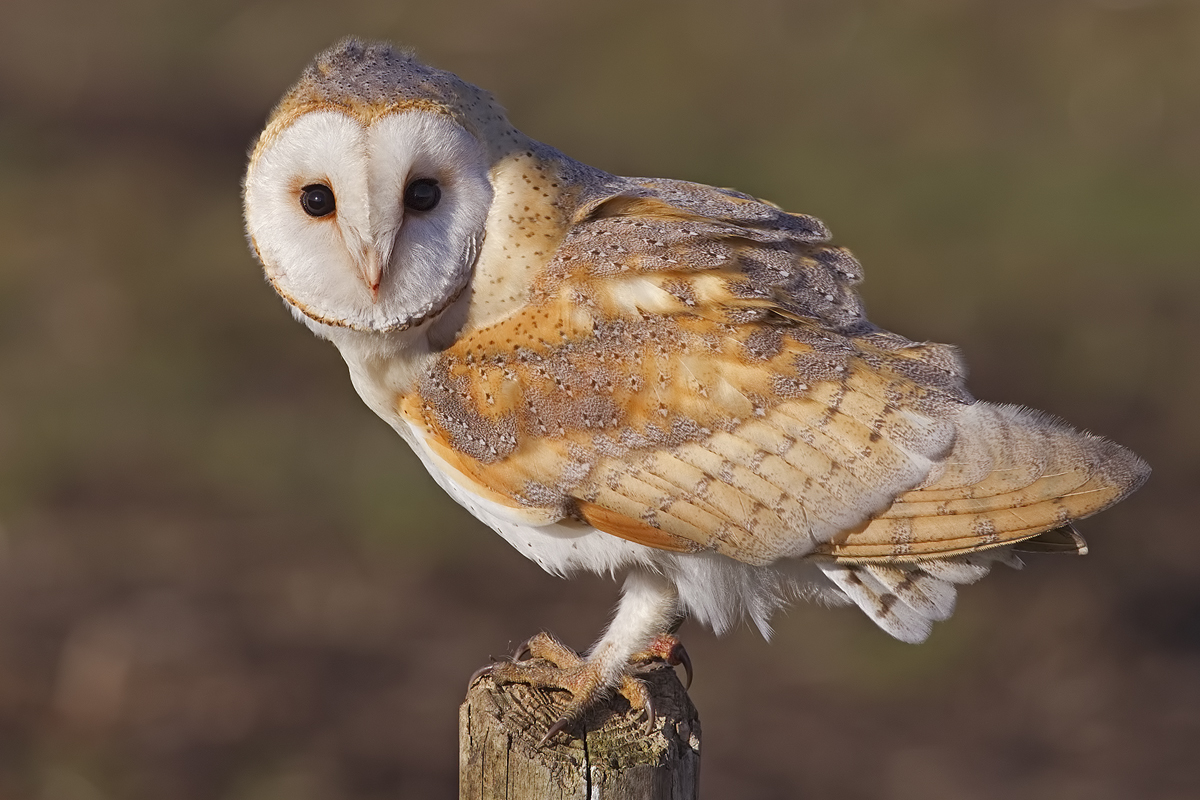
Western Barn Owl
VUTyto alba
Western Gecko
ENCnemaspis occidentalis
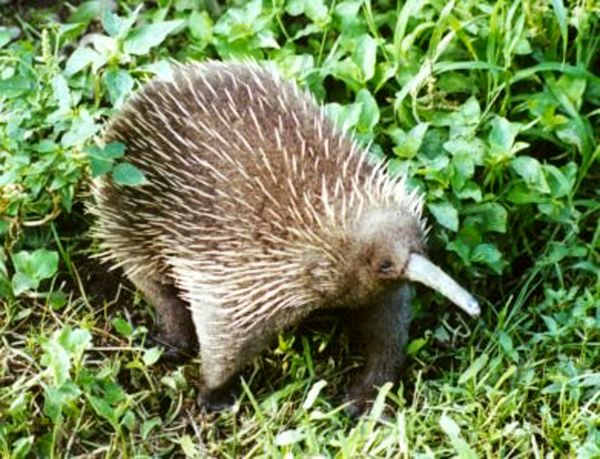
Western Long-beaked Echidna
CRZaglossus bruijni

Western Marsh-orchid
VUDactylorhiza majalis

Western Oakfern
CRGymnocarpium dryopteris

Western Osprey
CRPandion haliaetus

Western Quillwort
ENIsoetes lacustris
western white shrimp
CRPenaeus occidentalis

Weyland Mouse Bandicoot
VUMicroperoryctes murina

Wheat Sedge
VUCarex atherodes
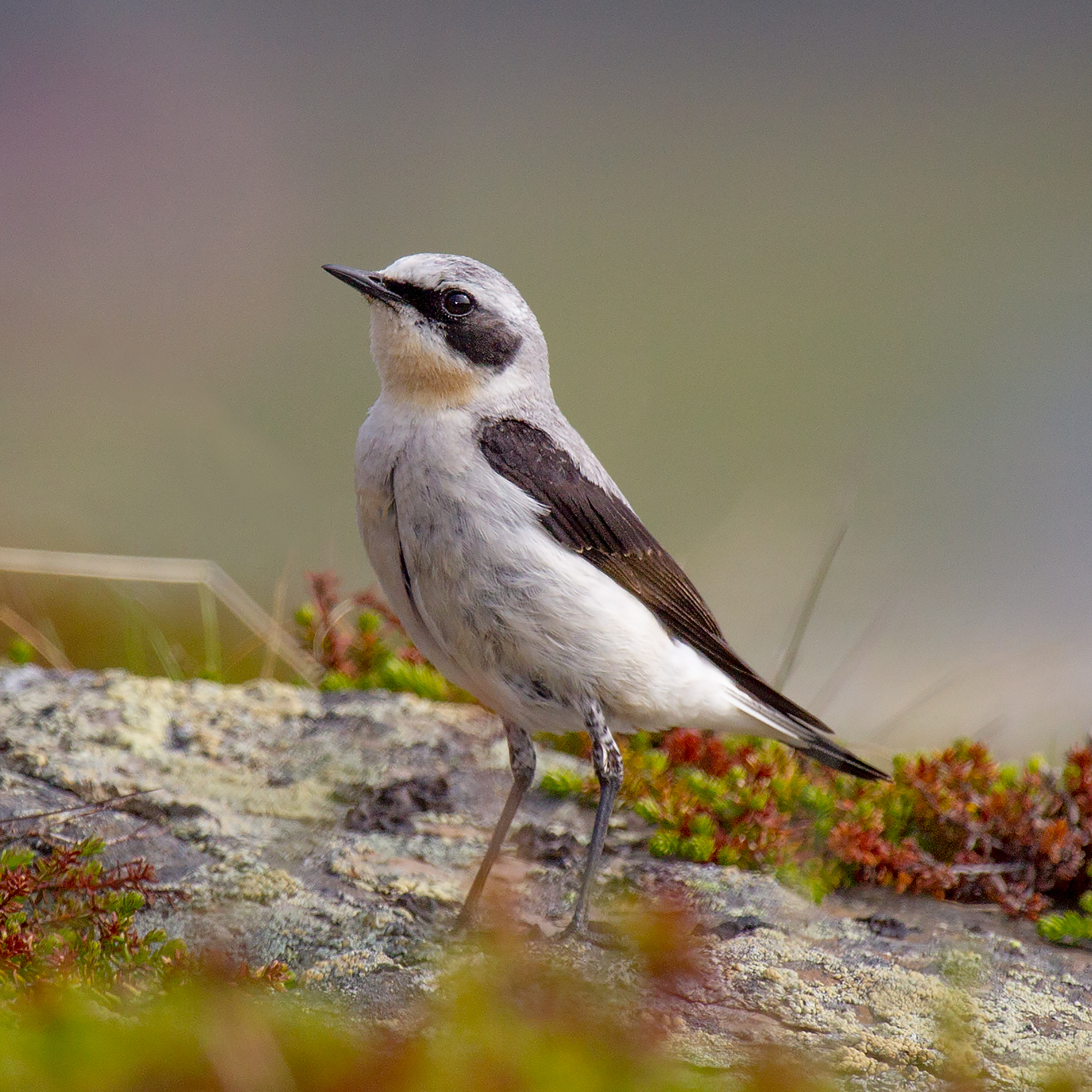
Wheatear
CROenanthe oenanthe

Whelk Cracker
ENHaematopus palliatus

whinchat
CRSaxicola rubetra
Whip Shrimp
VUDichelopandalus bonnieri

Whiskered Brome
CRBromus grossus

Whiskery Milkcap
CRLactarius mairei

Whistling Dwarf Frog
ENPhysalaemus fernandezae

White Beaksedge
VURhynchospora alba
white beefwood
CRSchoepfia obovata
white bur cucumber
CRSicyos alba

White Flax
ENLinum catharticum

White Green-algae Coral
VUMulticlavula mucida
The primary threats to White Green-algae Coral (Multiclavula mucida) have not been assessed or documented by scientists yet. Without this threat assessment data, it's unclear what specific dangers this species faces in its natural habitat. The status of whether threats are increasing, stable, or decreasing cannot be determined without proper scientific evaluation.
White Grouper
VUMycteroperca cidi

White Hedgehog
VUHydnum albidum

White Helleborine
VUCephalanthera damasonium

white horehound
ENMarrubium vulgare
White horehound faces significant pressure from habitat loss due to agricultural intensification and urban development of its preferred disturbed ground habitats. Climate change and altered precipitation patterns are affecting the species' ability to establish in suitable microsites, while increased competition from invasive plant species is reducing available growing space.

White Ironweed
CRBuglossoides arvensis
Based on the available information, the specific threats facing White Ironweed have not yet been formally assessed or documented by conservation scientists. Without this threat assessment data, it's not possible to identify what particular dangers this plant species may be facing, such as habitat destruction, agricultural expansion, or other environmental pressures. The current status of whether any threats are increasing, stable, or decreasing cannot be determined until a proper scientific evaluation is completed.
white logwood
VUXylosma schaefferioides

White Malaxis
VUMalaxis monophyllos
White Meranti
CRParashorea lucida

White Mountain Saxifrage
ENSaxifraga paniculata
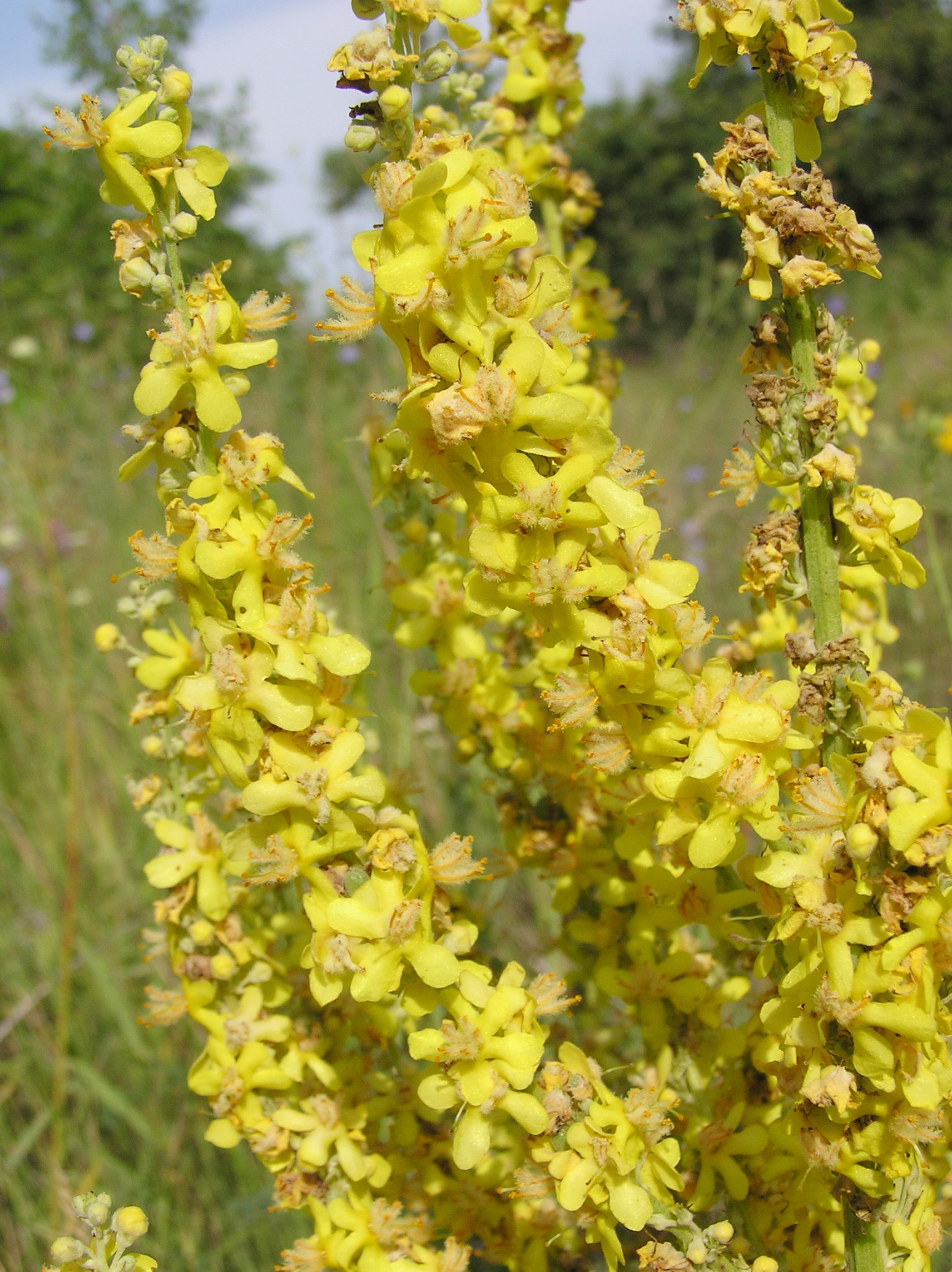
White Mullein
VUVerbascum lychnitis
![White Spot [Noctuid moth]](https://upload.wikimedia.org/wikipedia/commons/3/31/Hadena_albimacula.jpg)
White Spot [Noctuid moth]
VUHadena albimacula

White Stork
ENCiconia ciconia
White Storks face significant population declines primarily due to habitat loss from agricultural intensification and wetland drainage, which reduces their foraging areas and nesting sites. Climate change is altering migration patterns and breeding success, while collisions with power lines during migration cause substantial mortality. Reduced prey availability from pesticide use and changes in farming practices further threaten their survival.

White Swallow-Wort
CRVincetoxicum hirundinaria

White Uakari
VUCacajao calvus

White Webcap
CRLeucocortinarius bulbiger
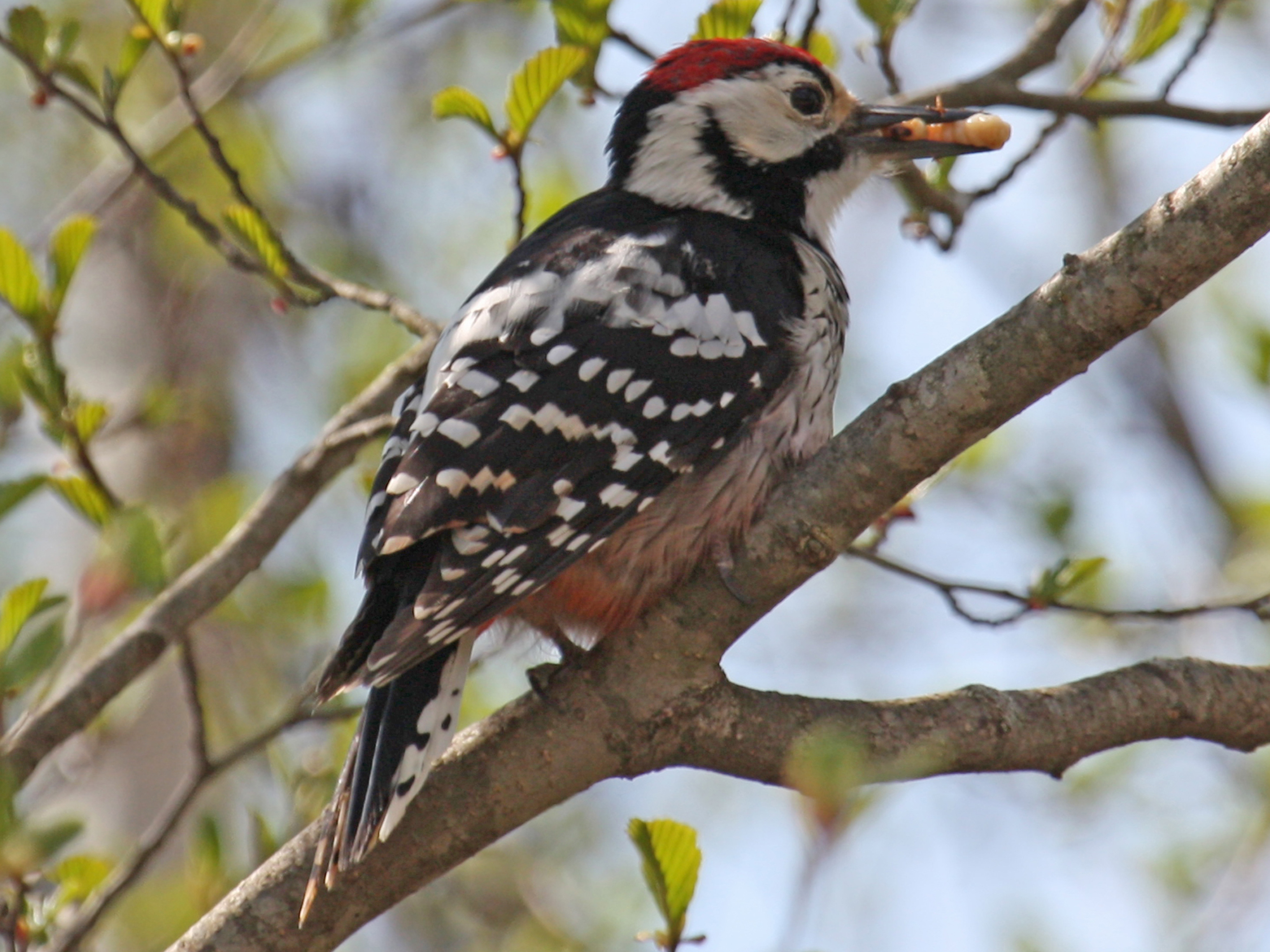
White-Backed Woodpecker, Lilford Woodpecker
CRDendrocopos leucotos
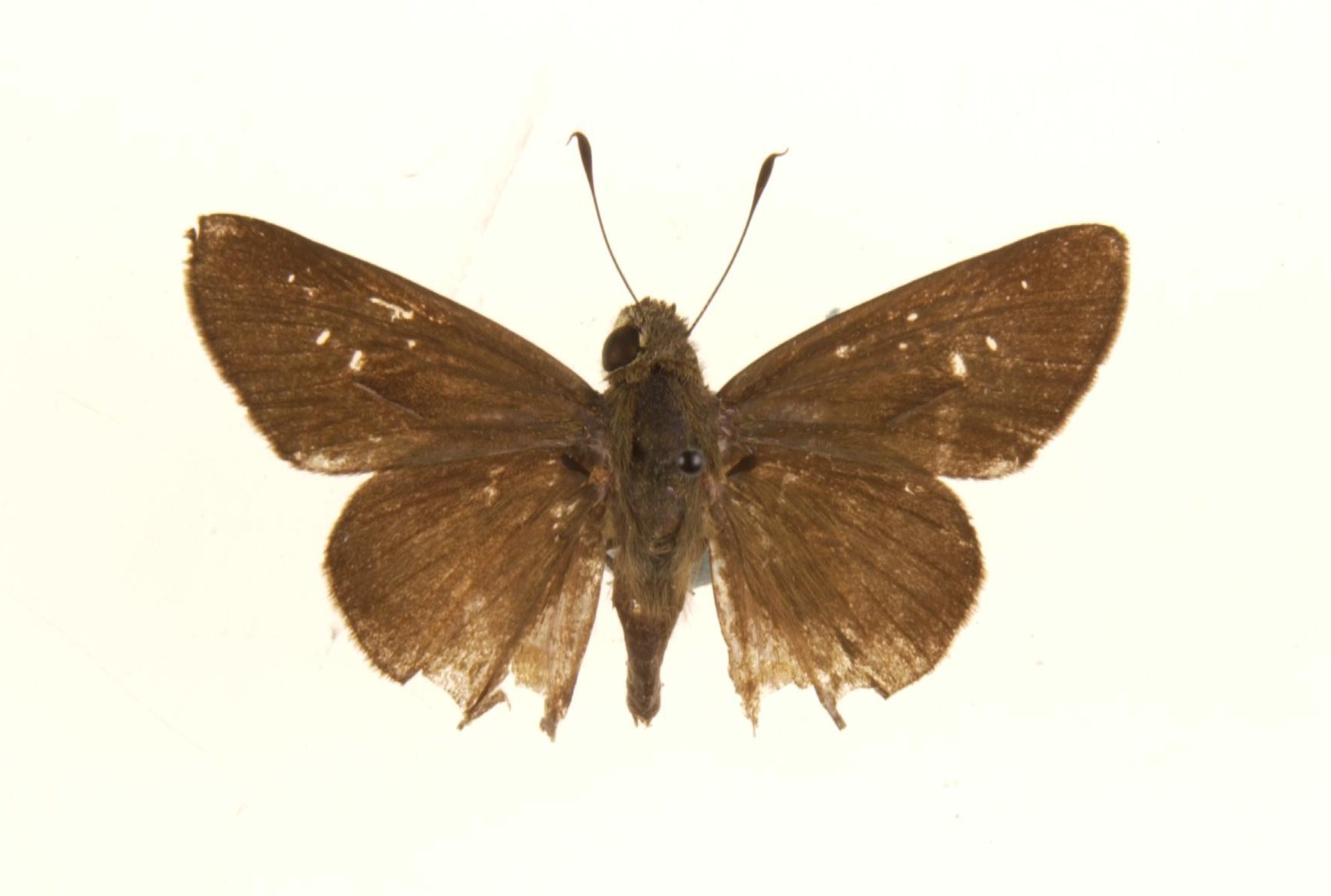
White-banded Swift
ENPelopidas thrax
White-bellied Frog
CRGeocrinia alba

White-breasted Cormorant
VUPhalacrocorax carbo

White-browed Chat-tyrant
ENOchthoeca leucophrys

White-browed Tit-Spinetail
ENLeptasthenura xenothorax

White-cheeked Cotinga
VUZaratornis stresemanni

White-chested Swift
CRCypseloides lemosi

White-chested White-eye
CRZosterops albogularis
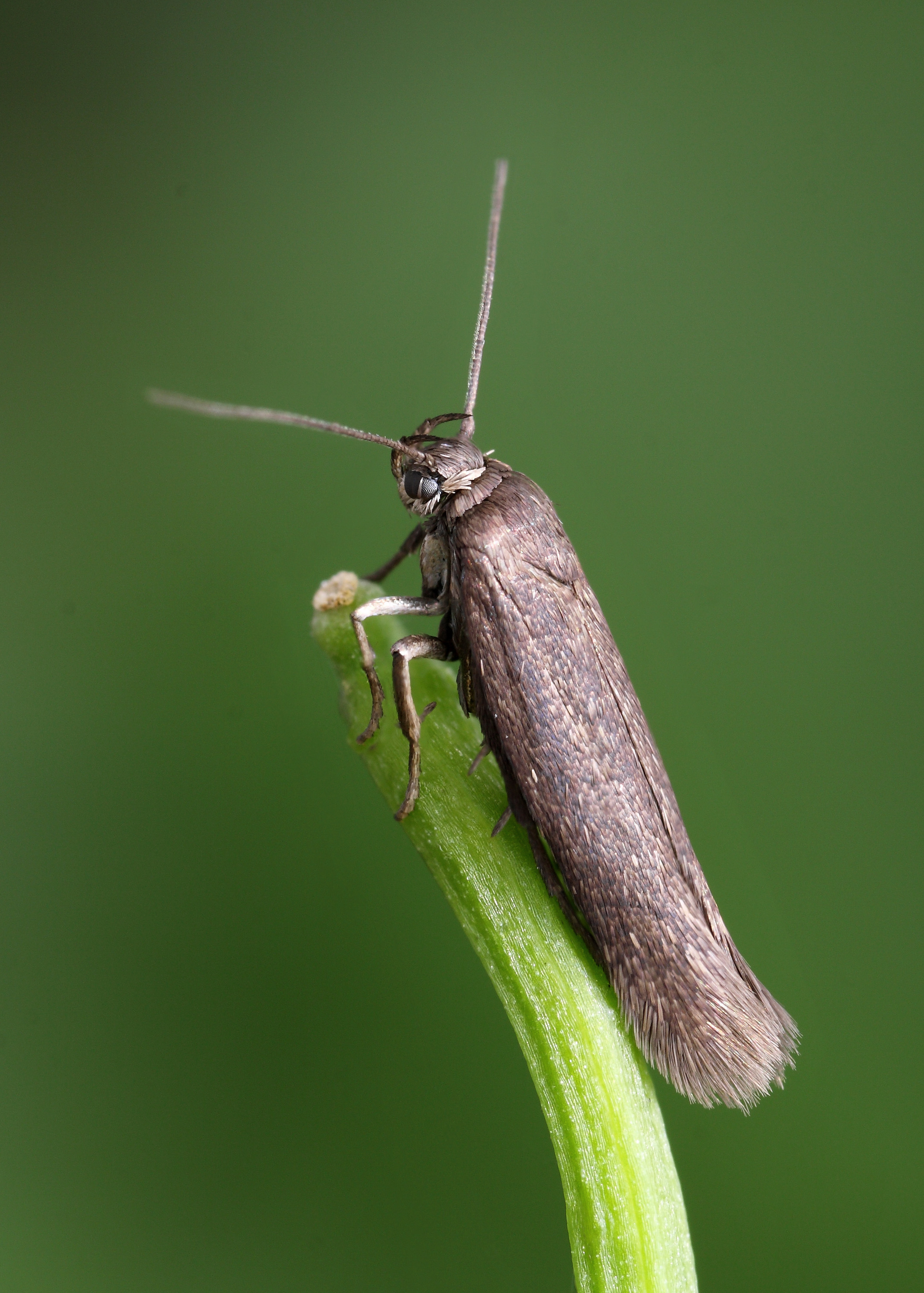
White-dusted Owlet
VUScythris picaepennis

White-faced Darter
VULeucorrhinia dubia

White-footed Tamarin
VUSaguinus leucopus