Species Explorer
Browse and search species from the IUCN Red List and GBIF.
28,662 species
Anthophore estivale
CRAnthophora aestivalis
The primary threats to Anthophora aestivalis (a type of solitary bee) have not been formally assessed or documented by conservation scientists. Without a proper threat assessment, it's unclear what specific dangers this bee species may be facing, such as habitat destruction, pesticide use, or climate change impacts. The status of threats to this species cannot be determined as increasing, stable, or decreasing due to the lack of available data.
Antilles Racer
CRAlsophis antillensis
Antioquia Bristle-Tyrant
ENPhylloscartes lanyoni
Antioquia Brush-finch
CRAtlapetes blancae
Antribe marbré
VUAnthribus fasciatus
Antrocaryon
VUAntrocaryon micraster
Antrophyon de Bory, Langue de boeuf, Langue de vache
CRAntrophyopsis boryana
Antsingy Leaf Chameleon
ENBrookesia perarmata
Apache Trout
CROncorhynchus apache
Apamean Spring Minnow
ENPseudophoxinus maeandri
Apical Flycatcher
ENMyiarchus apicalis
Apitong
ENDipterocarpus hasseltii
Apitong
ENDipterocarpus kerrii
Aplomado Falcon
VUFalco femoralis
Apnit
ENPseuduvaria luzoniensis

Apolinar's Wren
ENCistothorus apolinari
Based on the provided threat data, the specific threats facing Apolinar's Wren have not been formally assessed or documented. Without a proper threat assessment, it's not possible to identify what particular dangers this species faces or describe how human activities might be affecting its survival. The current status of whether threats are increasing, stable, or decreasing cannot be determined without this essential threat information.

Apollo
ENParnassius apollo
Based on the provided threat data, the specific threats to Apollo butterflies have not been assessed or documented in detail. Without a formal threat assessment, it's not possible to identify the particular dangers this species faces, such as specific types of habitat destruction, climate impacts, or human activities that may be affecting their populations. The current status of whether threats are intensifying, stable, or decreasing cannot be determined without this essential threat data.
Apouh Night Frog
ENAstylosternus schioetzi
Appalachian Dust Bunnies
ENLepraria lanata
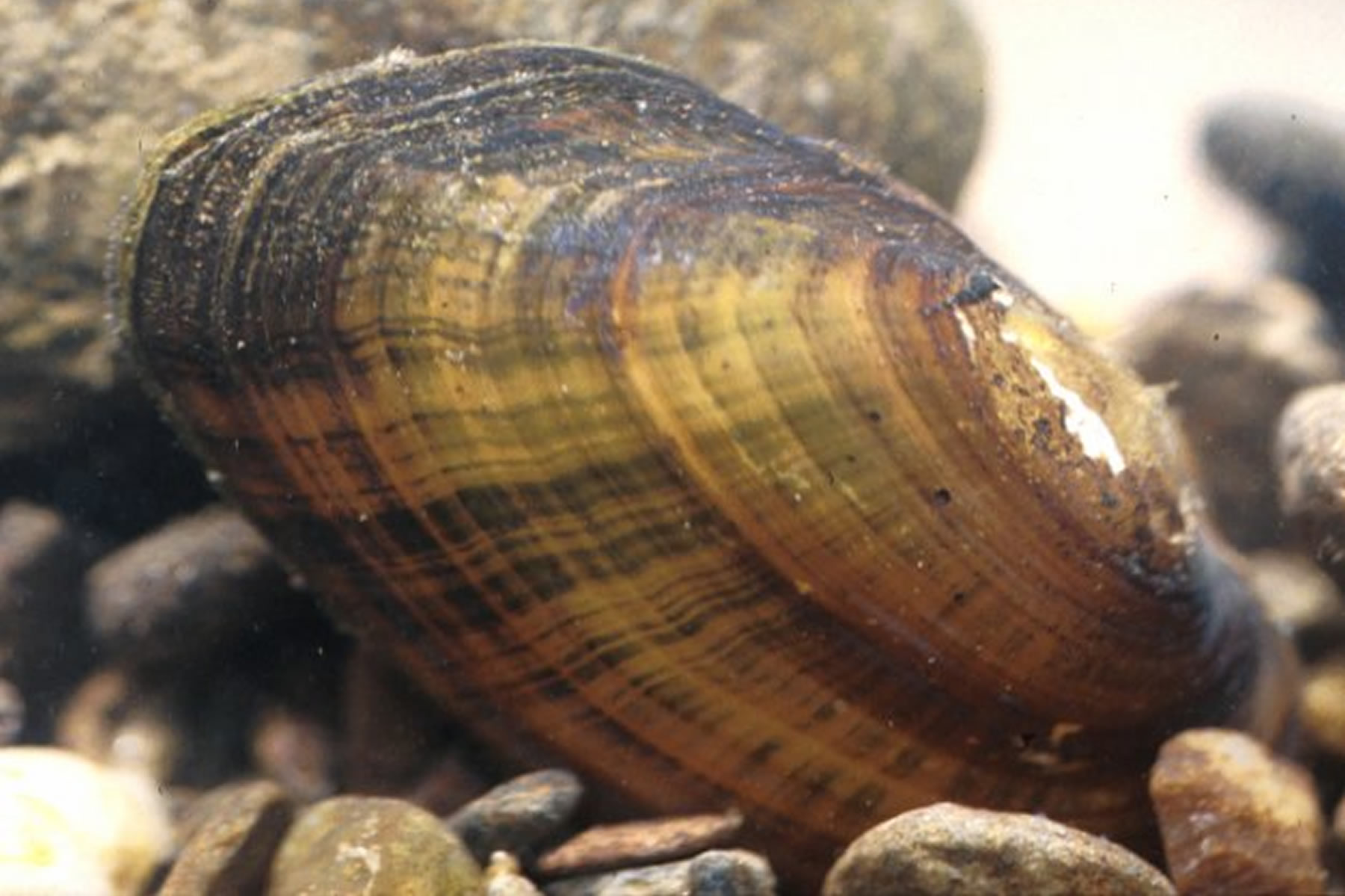
Appalachian elktoe
CRAlasmidonta raveneliana
Based on the provided threat data, the primary threats to the Appalachian elktoe have not been formally assessed or documented. Without a proper threat evaluation, it's unclear what specific dangers this freshwater mussel species faces in its natural habitat. The status of whether threats are increasing, stable, or decreasing cannot be determined without this essential threat assessment data.
Appalachian Monkeyface
CRTheliderma sparsa
Apparition Masdevallia
CRMasdevallia apparitio
Appendage-bearing Centaury
ENPsephellus appendicigerus
Applebox
VUEucalyptus bridgesiana
Appleton's Paphiopedilum
ENPaphiopedilum appletonianum
Appleyard's Feather-moss
ENScleropodium cespitans
Apreocular Reed Snake
CRCalamaria apraeocularis
Apricot Orange Paphiopedilum
ENPaphiopedilum armeniacum
April Pinkgill
VUEntoloma aprile
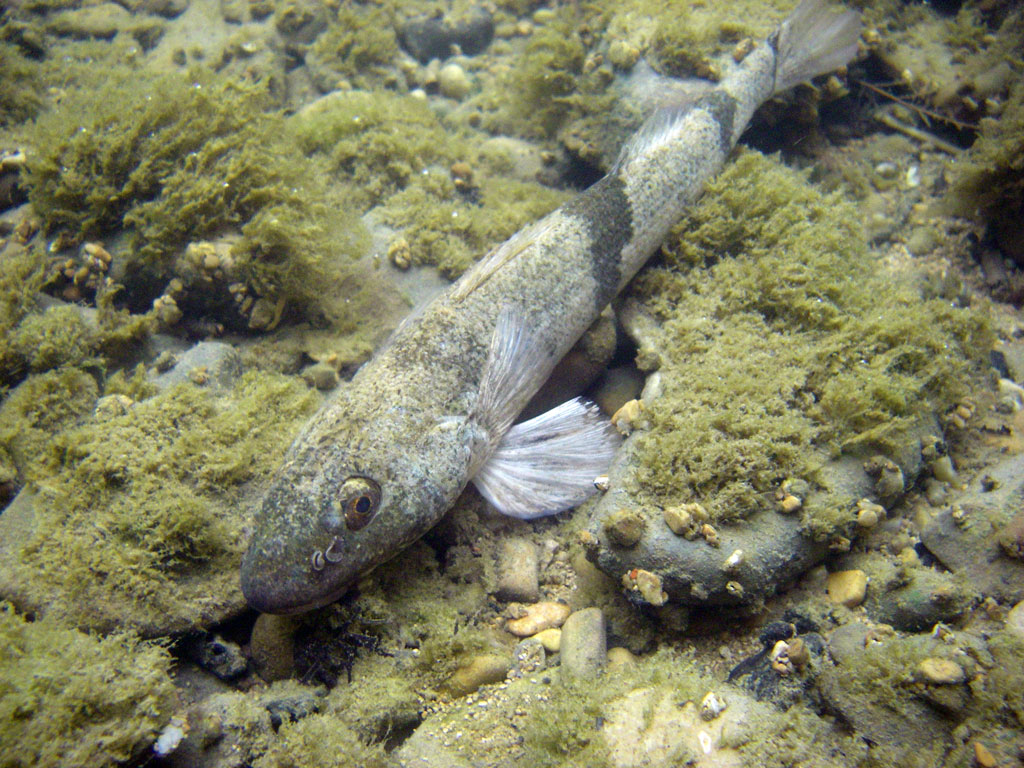
Apron
CRZingel asper
Based on the available data, the specific threats facing the Apron (Zingel asper) have not been formally assessed or documented. Without this threat assessment information, it's not possible to identify what particular dangers this species faces or describe how human activities or environmental changes might be affecting its populations. The status of whether threats are increasing, stable, or decreasing cannot be determined without proper threat evaluation data.
Apulian Bush-cricket
ENRhacocleis japygia
Apurímac Spinetail
VUSynallaxis courseni
Aquacatillo
VUPersea urbaniana
Aquatic Salamander
CRPseudoeurycea aquatica
The primary threats to the Aquatic Salamander have not been formally assessed or documented by conservation scientists. Without this threat assessment data, it's not possible to identify the specific dangers this species faces or understand what might be causing population changes. The status of threats to this species cannot be determined as increasing, stable, or decreasing due to the lack of available information.
Aquatic Warbler
VUAcrocephalus paludicola
ara
VUTapirira bethanniana
Arabian Bream
CRAcanthobrama hadiyahensis
The threats to the Arabian Bream have not been formally assessed or documented by conservation scientists, so the specific dangers facing this fish species are currently unknown. Without this threat assessment, it's impossible to determine whether the risks to Arabian Bream populations are getting worse, staying the same, or improving over time.
Arabian Duroniella
ENDuroniella acuta
Arabian Himri
ENCarasobarbus apoensis
Arabica coffee, Arabian coffee, Coffee tree, Coffee,
ENCoffea arabica
Arabo jiba
ENErythroxylum roigii
Arabon
VUPalaquium globosum
Araçá
ENCallisthene kuhlmannii
Araçá espada
VUMyrcia eumecephylla
Araçá-mulato
ENMyrcia riodocensis
Araça-rei
CRMyrcia neoestrellensis
Arachthos spined loach
ENCobitis arachthosensis
Aracu
CRLeporinus pitingai
The specific threats to Aracu (Leporinus pitingai) have not been formally assessed or documented by conservation scientists. Without this threat assessment data, it's not possible to identify what particular dangers this fish species may be facing in its natural habitat. The status of threats to this species - whether they are increasing, stable, or decreasing - cannot be determined without proper scientific evaluation.
Arade chub
VUSqualius aradensis
Aragua Robber Frog
CRPristimantis anotis
The threats to the Aragua Robber Frog have not been assessed by scientists, so the specific dangers this species faces are currently unknown. Without this assessment, it's unclear what human activities or environmental changes might be putting pressure on their populations. The status of threats to this species cannot be determined until a proper scientific evaluation is completed.