Species Explorer
Browse and search species from the IUCN Red List and GBIF.
54,666 species
ハナサンゴモドキ
VUEuphyllia paraglabrescens
ボウアシスガメ
CRHaploops tubicola
卡氏珠鮰
CRAustrolebias carvalhoi
Austrolebias carvalhoi faces habitat loss from agricultural expansion and urban development that destroys or modifies its seasonal wetland breeding sites. Climate change threatens to disrupt the natural flooding cycles essential for the species' reproduction and survival.
厚身搏鱼
VUBetta breviobesus
呈贡蝾螈
CRCynops chenggongensis
埃曼氏毛鼻鲶
ENTrichomycterus emanueli
塔氏管吻鲶
ENFarlowella taphorni
大咽非鲫
CRCoptodon gutturosa
東方視星鯰
ENAstroblepus orientalis
梅氏毛鼻鲶
ENTrichomycterus meridae
瓦鳞非鲫
CRCoptodon imbriferna
细刺水蛙
VUSylvirana spinulosa
蒙多氏毛鼻鲶
ENTrichomycterus mondolfi
费氏视星鲶
ENAstroblepus phelpsi
阿氏毛鼻鲶
ENTrichomycterus arleoi

黄非鲫
CRCoptodon flava
Palicourea brenesii
ENPalicourea brenesii
Passiflora chimuensis
ENPassiflora chimuensis
Pentagonia osaensis
VUPentagonia osaensis
Haematopinus oliveri
CRHaematopinus oliveri
Haematopinus oliveri faces critical threats primarily through the decline of its exclusive warthog hosts due to habitat loss from agricultural expansion and human development. Hunting pressure on warthogs for bushmeat and crop protection further reduces available host populations. Climate change may additionally impact the distribution and survival of both the parasite and its host species.
Phytosus schatzmayri
CRPhytosus schatzmayri
Phytosus schatzmayri faces severe threats from habitat loss and degradation within its restricted range. Climate change poses additional risks by potentially altering the availability of host plants and suitable microhabitats. The species' narrow ecological requirements and limited distribution make it extremely vulnerable to localized disturbances.
Rudgea raveniana
VURudgea raveniana
Joziratia desruisseauxi
CRJoziratia desruisseauxi
Joziratia desruisseauxi faces severe threats that have led to its critically endangered status, though specific threat mechanisms remain poorly documented. The species' extremely limited distribution makes it particularly vulnerable to habitat loss and environmental disturbances. Population trends are currently unknown due to insufficient monitoring data.
Apicencya calva
CRApicencya calva
Apicencya calva faces severe habitat loss from agricultural expansion and urban development that has fragmented its remaining suitable habitat. Climate change is altering environmental conditions within the species' range, potentially making current habitats unsuitable. The combination of these pressures has resulted in a declining population trend that threatens the species' long-term survival.
Trichoferus bergeri
ENTrichoferus bergeri
Mayataia griveaudi
CRMayataia griveaudi
Mayataia griveaudi faces severe threats from deforestation and habitat conversion for agriculture across its limited range in Madagascar. Climate change compounds these pressures by altering the humid forest conditions essential for this terrestrial snail's survival.
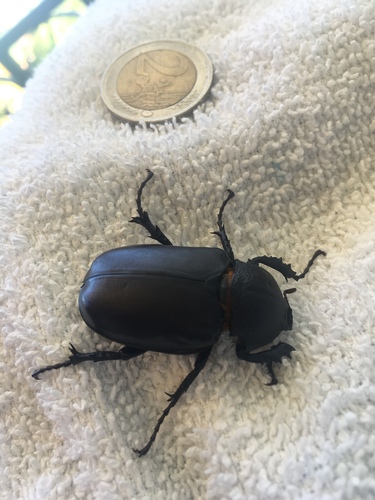
Propomacrus cypriacus
CRPropomacrus cypriacus
Propomacrus cypriacus faces severe threats from habitat destruction caused by deforestation, urban development, and agricultural expansion throughout its limited range in Cyprus. Climate change and increasingly frequent forest fires further endanger the remaining populations of this specialized beetle species.
Cupania moralesii
ENCupania moralesii
Guarea donnell-smithii
ENGuarea donnell-smithii
Eugenia chavarriae
ENEugenia chavarriae
Puya longispina
ENPuya longispina

Formicoxenus nitidulus
VUFormicoxenus nitidulus
Homoeodera edithia
CRHomoeodera edithia
Homoeodera edithia faces severe threats from habitat loss due to deforestation and land conversion for agriculture and development. Climate change further threatens the species by altering forest ecosystems and disrupting the specific environmental conditions required for survival. The beetle's limited distribution and poor dispersal ability make recovery from population declines extremely challenging.
Homoeodera nodulipennis
CRHomoeodera nodulipennis
Homoeodera nodulipennis faces severe threats from habitat destruction caused by deforestation and logging activities that remove its host trees. Forest fragmentation and urban development further reduce available habitat and isolate remaining populations. Climate change compounds these pressures by altering forest ecosystems and potentially affecting the health of host tree species.
Ternstroemia steyermarkii
VUTernstroemia steyermarkii
Ducula carola
VUDucula carola
Bombus rubriventris
CRBombus rubriventris
Bombus rubriventris faces multiple interconnected threats that have contributed to its critical endangerment status. Habitat loss from agricultural expansion and urban development has eliminated much of the diverse flowering plant communities this species depends on for foraging and nesting. Pesticide exposure, disease transmission, and climate change impacts further compound the challenges facing remaining populations.
Nomada siciliensis
CRNomada siciliensis
Nomada siciliensis faces severe threats from habitat loss and fragmentation caused by agricultural intensification and urban development in Sicily. Climate change may further impact the species and its host bees through altered environmental conditions. The extremely limited distribution makes the species highly vulnerable to local extinctions from any disturbance.

Paracanthocobitis urophthalma
ENParacanthocobitis urophthalma
Galloisiana kosuensis
CRGalloisiana kosuensis
Galloisiana kosuensis faces primary threats from climate change, as rising temperatures eliminate the cold conditions essential for its survival and force populations to retreat to higher elevations. Habitat fragmentation and human disturbance in mountainous regions further reduce available suitable habitat for this highly specialized species.
Palaemnema edmondi
CRPalaemnema edmondi
Palaemnema edmondi faces severe threats from habitat destruction caused by deforestation, agricultural expansion, and urban development in its Central American range. Water pollution from agricultural runoff and industrial activities degrades the clean stream environments essential for the species' survival. The damselfly's limited distribution and specialized habitat requirements make it extremely vulnerable to these ongoing environmental pressures.
Drepanosticta furcata
CRDrepanosticta furcata
Drepanosticta furcata is primarily threatened by habitat loss due to deforestation and conversion of natural areas for agriculture and urban development. Water pollution from various sources has degraded the quality of freshwater habitats essential for the species' survival and reproduction. Climate change may be altering local water patterns and further compromising the limited suitable habitat available.
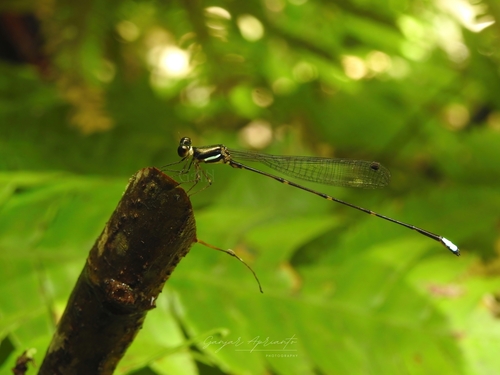
Protosticta rozendalorum
CRProtosticta rozendalorum
Protosticta rozendalorum faces severe threats from deforestation and habitat fragmentation that destroy the pristine forest streams it requires for breeding. Water pollution from agricultural and industrial sources degrades the clean aquatic environments essential for larval development. Climate change further threatens the species by altering stream flow patterns and precipitation regimes in its limited forest habitat.
Phyllanthus liesneri
VUPhyllanthus liesneri
Phyllanthus strobilaceus
ENPhyllanthus strobilaceus
Megalagrion molokaiense
CRMegalagrion molokaiense
Megalagrion molokaiense faces threats from habitat destruction caused by invasive plants, feral ungulates, and human development that degrade native forest streams. Stream modification, water diversions, and pollution compromise the aquatic environments essential for the species' reproduction and larval development. Invasive species including non-native fish and aquatic invertebrates alter ecosystem dynamics and may directly impact native damselfly populations.
Coenagrion mercuriale
VUCoenagrion mercuriale
Elattoneura pluotae
CRElattoneura pluotae
Elattoneura pluotae faces severe threats from habitat destruction caused by deforestation, agricultural expansion, and urban development that eliminate the clean freshwater environments essential for its survival. Water pollution from agricultural runoff and industrial discharge further degrades remaining suitable habitats. Climate change compounds these pressures by altering precipitation patterns and water temperatures that may disrupt the species' breeding cycles.
Megalagrion jugorum
CRMegalagrion jugorum
Megalagrion jugorum faces severe threats from habitat destruction due to development and agriculture, which have eliminated many stream systems essential for its survival. Introduced predatory species and invasive plants further degrade remaining habitats, while water pollution compromises the clean freshwater conditions required for reproduction.
Teinobasis ponapensis
CRTeinobasis ponapensis
Teinobasis ponapensis faces threats primarily from habitat degradation and loss of freshwater environments on its native island of Pohnpei. Human development activities and pollution of streams and other aquatic habitats pose significant risks to this endemic species. Climate change may further threaten the species through alterations to the island's freshwater systems.