Species Explorer
Browse and search species from the IUCN Red List and GBIF.
54,666 species
Selysioneura drymobia
CRSelysioneura drymobia
Selysioneura drymobia faces severe threats from habitat loss and fragmentation caused by deforestation and land conversion activities. Climate change poses additional risks by potentially altering the specific environmental conditions this species requires for survival. The species' extremely limited distribution makes it particularly vulnerable to local extinctions from these combined pressures.
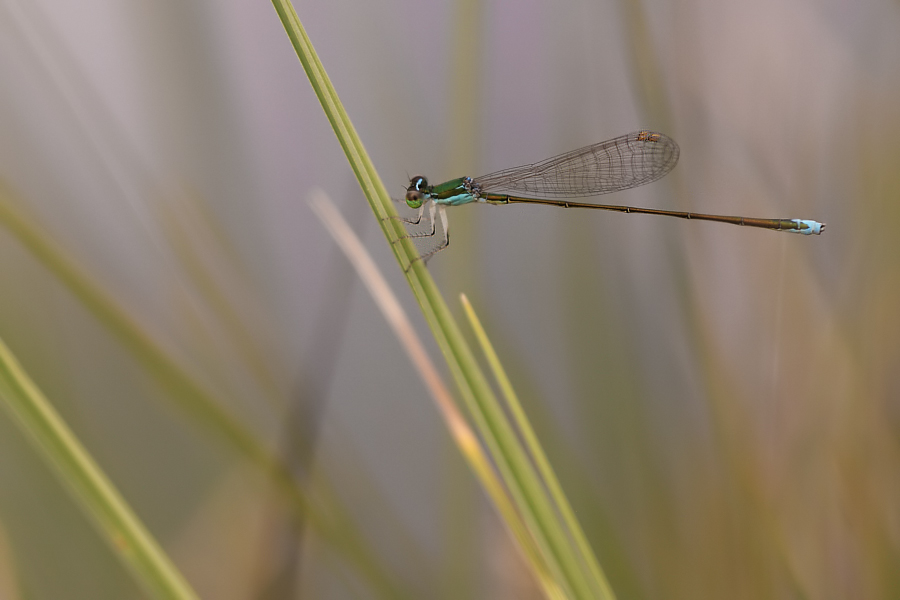
Nehalennia speciosa
VUNehalennia speciosa
Piper jauaense
VUPiper jauaense
Piper parianum
ENPiper parianum
Piper pseudodivulgatum
ENPiper pseudodivulgatum
Erythrodiplax acantha
CRErythrodiplax acantha
Erythrodiplax acantha faces primary threats from habitat destruction and degradation due to agricultural expansion, urban development, and water pollution affecting its freshwater breeding sites. Climate change poses additional risks through altered precipitation and temperature patterns that may disrupt the aquatic ecosystems this dragonfly depends upon.
Syndyas nigripes
VUSyndyas nigripes
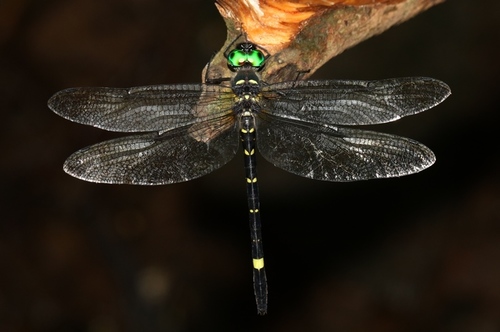
Macromia flinti
CRMacromia flinti
Macromia flinti faces severe threats from habitat degradation and water pollution caused by urban development and agricultural activities. Dam construction and water flow alterations have disrupted the clean, flowing water systems essential for the species' reproduction and survival. Climate change may further impact water temperatures and seasonal patterns critical to the dragonfly's life cycle.

Macromia zeylanica
CRMacromia zeylanica
Macromia zeylanica faces severe threats from deforestation and habitat fragmentation that have destroyed much of its forested stream habitat. Water pollution from agricultural and domestic sources has degraded the quality of remaining breeding sites. Climate change further threatens the species by altering the flow patterns of streams essential for its survival.
Haplochromis velifer
VUHaplochromis velifer

Dolichopus clavipes
CRDolichopus clavipes
The specific threats to Dolichopus clavipes are not well-documented in available literature. However, as a critically endangered invertebrate, it likely faces habitat loss and environmental degradation common to many specialized fly species.
Rhamphomyia physoprocta
CRRhamphomyia physoprocta
The primary threats to Rhamphomyia physoprocta likely include habitat loss and degradation of the specialized environments required for its survival. Environmental changes affecting microhabitat conditions, such as alterations in moisture levels, vegetation structure, or host plant availability, pose significant risks to this critically endangered species.
Merodon longispina
CRMerodon longispina
Merodon longispina faces severe threats from habitat loss and degradation caused by agricultural intensification and urban development. The destruction of natural areas containing specific host plants required for larval development has significantly reduced breeding opportunities. Climate change may further impact the species by altering the distribution and timing of both the hoverfly and its essential host plants.
Haplochromis petronius
VUHaplochromis petronius
Coccoloba llewelynii
VUCoccoloba llewelynii
Ruprechtia apurensis
VURuprechtia apurensis
Bonellia loeflingii
ENBonellia loeflingii
Dypsis mahia
CRDypsis mahia
Dypsis mahia faces severe threats from habitat destruction caused by deforestation, agricultural expansion, and human settlement development across Madagascar. The conversion of natural forest habitats for rice cultivation, cattle grazing, and logging activities has significantly reduced suitable habitat for this endemic palm species. Climate change may pose additional risks through altered environmental conditions that could further impact the species' specialized habitat requirements.
Anonconotus apenninigenus
CRAnonconotus apenninigenus
The primary threats to Anonconotus apenninigenus include habitat destruction and fragmentation caused by human development, agricultural expansion, and infrastructure projects in the Apennine Mountains. Climate change compounds these pressures by altering temperature and precipitation patterns in its specialized high-altitude habitat.
Thymochares delphini
CRThymochares delphini
Thymochares delphini faces severe threats from coastal habitat destruction due to urban development and tourism infrastructure. Climate change compounds these pressures through rising sea levels and altered environmental conditions that compromise the species' specialized coastal habitat requirements.
Haplochromis sauvagei
VUHaplochromis sauvagei
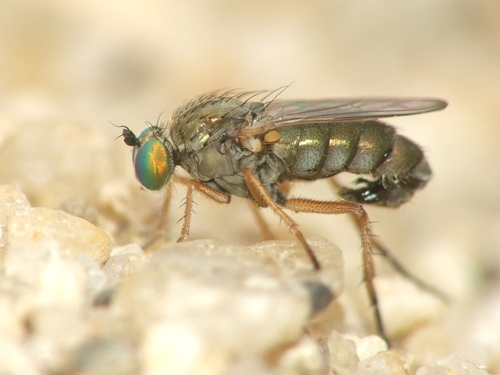
Muscidideicus praetextatus
CRMuscidideicus praetextatus
The primary threats to Muscidideicus praetextatus include habitat loss and degradation within its restricted range. Climate change may further impact the species by disrupting the delicate ecological relationships between the parasitoid wasp and its dipteran hosts.
Thinophilus ruficornis
CRThinophilus ruficornis
Thinophilus ruficornis faces severe threats from coastal development and habitat destruction that have eliminated much of its specialized shoreline habitat. Climate change impacts, including sea level rise and increased storm intensity, further degrade remaining coastal ecosystems essential for the species' survival.
Alibertia venezuelensis
ENAlibertia venezuelensis
Chomelia caurensis
ENChomelia caurensis
Coccochondra phelpsiana
VUCoccochondra phelpsiana
Eumachia paupertina
ENEumachia paupertina
Randia amazonasensis
ENRandia amazonasensis
Rondeletia aristeguietae
ENRondeletia aristeguietae
Tocoyena brevifolia
VUTocoyena brevifolia
Helietta plaeana
VUHelietta plaeana
Raveniopsis stelligera
ENRaveniopsis stelligera
Banara larensis
VUBanara larensis
Euceraea sleumeriana
VUEuceraea sleumeriana
Schwenckia trujilloi
VUSchwenckia trujilloi
Isophya harzi
CRIsophya harzi
Isophya harzi faces severe threats from habitat loss and degradation caused by changes in traditional alpine land management practices and agricultural intensification. Climate change poses additional risks by altering the temperature and precipitation patterns of its specialized mountain grassland habitat. The species' extremely restricted geographic range makes it particularly vulnerable to local extinction events.
Isophya boldyrevi
CRIsophya boldyrevi
Isophya boldyrevi faces severe threats from habitat destruction caused by agricultural expansion, livestock overgrazing, and infrastructure development within its limited Caucasus range. Climate change compounds these pressures by altering the specific environmental conditions required for the species' survival. The species' restricted distribution makes it extremely vulnerable to local extinctions with little opportunity for natural recolonization.
Isophya doneciana
CRIsophya doneciana
Isophya doneciana faces severe threats from habitat destruction caused by agricultural expansion, urban development, and industrial activities including mining operations in the Donetsk region. The species' extremely restricted geographic range makes it particularly vulnerable to local extinction from any habitat disturbance. Ongoing regional conflict has further complicated conservation efforts and monitoring of remaining populations.
Styrax duidae
VUStyrax duidae
Styrax guanayanus
VUStyrax guanayanus
Styrax neblinae
ENStyrax neblinae
Styrax yutajensis
VUStyrax yutajensis
Pachysaga strobila
CRPachysaga strobila
Pachysaga strobila faces severe threats from habitat loss and fragmentation caused by agricultural expansion and urban development. Climate change compounds these pressures by altering the specific environmental conditions this species requires for survival. The combination of small, isolated populations and ongoing habitat degradation places this grasshopper at extreme risk of extinction.
Camellia fascicularis
CRCamellia fascicularis
Camellia fascicularis faces severe threats from habitat destruction caused by agricultural expansion, urban development, and deforestation activities throughout its limited range in China. Climate change compounds these pressures by altering environmental conditions essential for the species' survival. The combination of small, fragmented populations and ongoing habitat loss has pushed this species to the brink of extinction.
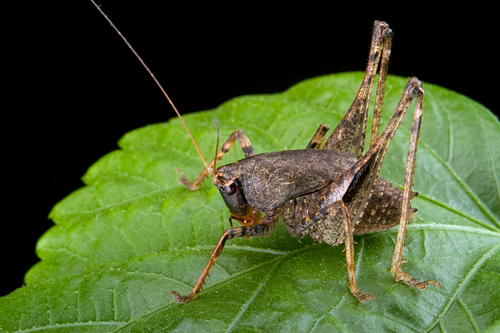
Transkeidectes multidentis
CRTranskeidectes multidentis
The specific threats facing Transkeidectes multidentis are not well documented, though its critically endangered status indicates severe pressures on the population. The unknown population trend suggests that monitoring systems are insufficient to track changes in abundance or distribution. Immediate research is needed to identify and quantify the primary threat factors affecting this species.
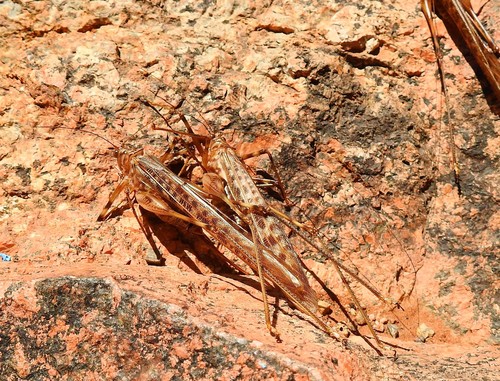
Pseudosaga maraisi
CRPseudosaga maraisi
Pseudosaga maraisi faces severe threats from habitat loss and degradation caused by human activities and environmental changes. The species' extremely limited distribution makes it particularly vulnerable to local disturbances and climate-related impacts. Insufficient knowledge about the species' ecology and population status further complicates conservation efforts.
Symplocos amplifolia
VUSymplocos amplifolia
Citharexylum venezuelense
VUCitharexylum venezuelense
Vochysia bautistae
VUVochysia bautistae
Vochysia jonkeri
VUVochysia jonkeri