Species Explorer
Browse and search species from the IUCN Red List and GBIF.
54,666 species
Vochysia ortegae
VUVochysia ortegae
Eupolymnia nesidensis
VUEupolymnia nesidensis
Cyrillopsis micrantha
VUCyrillopsis micrantha
Libanothamnus arboreus
VULibanothamnus arboreus
Libanothamnus liscanoanus
ENLibanothamnus liscanoanus
Chorthippus lacustris
ENChorthippus lacustris
Podismopsis transsylvanica
CRPodismopsis transsylvanica
Podismopsis transsylvanica faces habitat loss from changes in traditional land management, agricultural intensification, and abandonment of pastoral activities that maintain its grassland habitat. Climate change threatens the species by altering mountain ecosystem conditions and shifting suitable habitat zones. The species' extremely limited distribution range makes it particularly vulnerable to these environmental pressures.
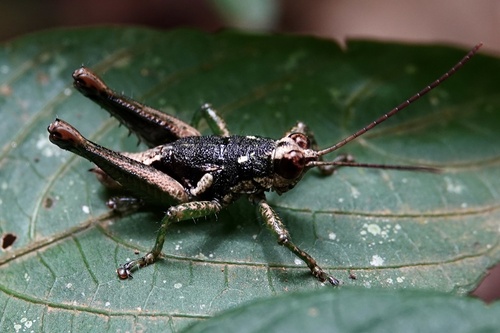
Physocrobylus tessa
CRPhysocrobylus tessa
The primary threats to Physocrobylus tessa include habitat destruction and degradation of its specialized microhabitat requirements. Human activities such as land development and agricultural expansion pose significant risks to the remaining population. Climate change may also impact the species through alterations to its specific environmental conditions.
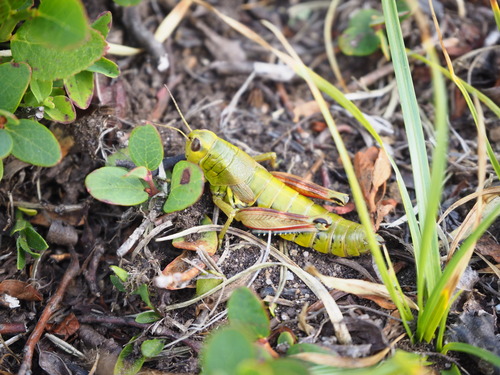
Podisma emiliae
CRPodisma emiliae
Podisma emiliae faces primary threats from climate change, which forces the species toward higher elevations with decreasing available habitat. Habitat fragmentation from human development and changes in traditional land management practices further isolate already small populations, while the species' flightless nature prevents effective dispersal between habitat patches.
Libanothamnus lucidus
VULibanothamnus lucidus
Libanothamnus spectabilis
ENLibanothamnus spectabilis
Mouriri latihila
VUMouriri latihila
Pyrgacris relictus
CRPyrgacris relictus
Pyrgacris relictus faces severe threats from habitat loss and fragmentation caused by human development and agricultural activities. The species' extremely limited range and small population sizes make it highly vulnerable to environmental changes and local extinctions. Climate change poses additional risks by potentially altering the specific microhabitat conditions this specialized grasshopper requires for survival.
Troglophilus marinae
CRTroglophilus marinae
Troglophilus marinae faces threats primarily from habitat disturbance and degradation of its cave environment. Human activities including cave tourism, groundwater pollution, and surface development can alter the delicate cave ecosystem conditions necessary for the species' survival. The species' extremely limited distribution makes it particularly vulnerable to local extinction events.
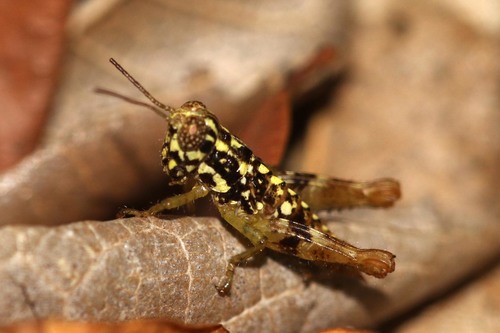
Cyphocerastis uluguruensis
CRCyphocerastis uluguruensis
Cyphocerastis uluguruensis faces severe threats from deforestation and habitat fragmentation in the Uluguru Mountains due to agricultural expansion, logging, and human settlement. The species' extremely restricted range in montane forests makes it highly vulnerable to local extinction from continued habitat loss and degradation.
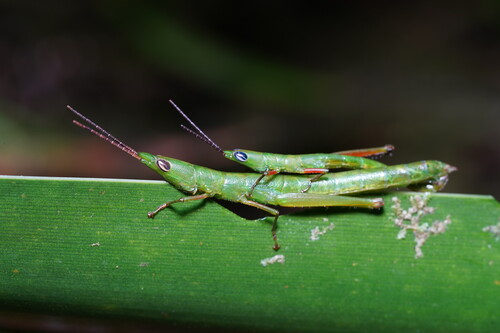
Pyrgacris descampsi
CRPyrgacris descampsi
Pyrgacris descampsi faces severe threats from habitat destruction caused by agricultural expansion and urban development within its limited range. Climate change compounds these pressures by altering environmental conditions that the species depends on for survival and reproduction.
Rondeletia cumanensis
ENRondeletia cumanensis
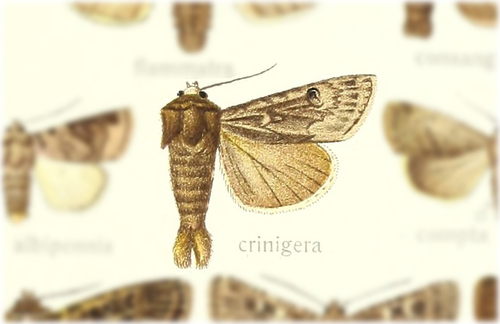
Agrotis crinigera
CRAgrotis crinigera
Agrotis crinigera faces severe threats from habitat loss and degradation caused by human development and land use changes. Climate change may further impact the species by altering environmental conditions essential for its survival and reproduction.
Sosane wireni
VUSosane wireni
Stephanopodium venezuelanum
ENStephanopodium venezuelanum
Styrax sipapoanus
VUStyrax sipapoanus
Parauchenoglanis pantherinus
VUParauchenoglanis pantherinus
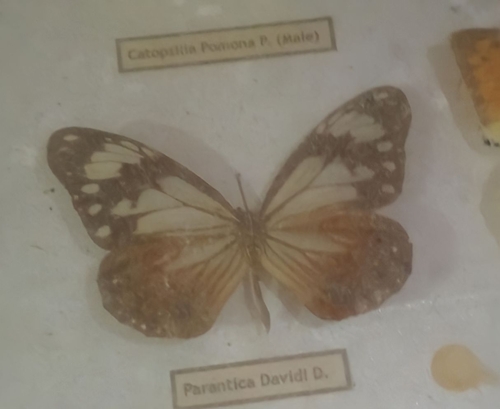
Parantica davidi
CRParantica davidi
Parantica davidi faces severe threats from habitat loss and fragmentation caused by deforestation, agricultural expansion, and urban development throughout its limited Southeast Asian range. The conversion of primary forests to palm oil plantations and other agricultural uses has significantly reduced available habitat for this forest-dependent species.
Lymanopoda paramera
ENLymanopoda paramera
Jasmineira caudata
VUJasmineira caudata
Pseudoxyrhopus kely
ENPseudoxyrhopus kely
Hynobius abuensis
ENHynobius abuensis
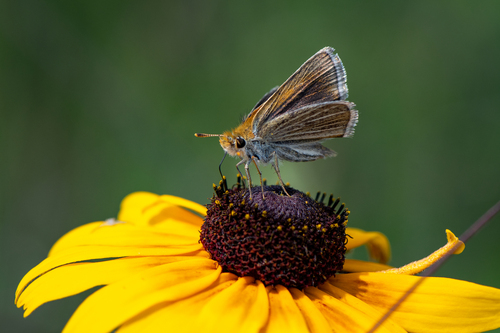
Oarisma powesheik
CROarisma powesheik
The Poweshiek skipperling faces severe threats from habitat loss due to agricultural conversion and urban development of native tallgrass prairie. Additional pressures include fire suppression that disrupts natural prairie maintenance cycles and climate change impacts on prairie ecosystems. The species' specialized habitat requirements and limited mobility make it extremely vulnerable to landscape fragmentation.
Camellia dongnaiensis
CRCamellia dongnaiensis
Camellia dongnaiensis faces severe threats from habitat destruction due to deforestation, agricultural conversion, and urban development in Dong Nai Province. The species is also vulnerable to potential overcollection for horticultural purposes and faces risks associated with its extremely small population size.
Hynobius akiensis
ENHynobius akiensis
Hynobius fossigenus
VUHynobius fossigenus
Hynobius iwami
ENHynobius iwami
Hynobius oyamai
VUHynobius oyamai
Hynobius sematonotos
VUHynobius sematonotos
Hynobius setoi
ENHynobius setoi
Microdrassus inaudax
CRMicrodrassus inaudax
The primary threats to Microdrassus inaudax likely include habitat destruction and degradation of ground-layer environments through human development, agricultural practices, and land use changes. The species' specialized microhabitat requirements make it particularly susceptible to disturbances affecting soil structure, leaf litter layers, and ground-level vegetation communities.
Hololeptoblatta pandanicola
CRHololeptoblatta pandanicola
Hololeptoblatta pandanicola faces primary threats from habitat destruction and degradation affecting the pandanus plant communities it depends upon. Development pressures and land use changes pose significant risks to its specialized ecological niche. Climate change may further threaten the species by altering environmental conditions that affect both the cockroach and its host vegetation.
Nyhimbricus wollastoni
CRNyhimbricus wollastoni
Nyhimbricus wollastoni faces severe habitat loss from invasive plant species and human development on Saint Helena. Soil disturbance from agriculture and construction directly destroys the earthworm's underground habitat. Climate change further threatens the species through altered soil moisture conditions essential for survival.
Benoitodes caheni
CRBenoitodes caheni
Benoitodes caheni faces severe threats from habitat destruction caused by urban development and agricultural activities in its limited South African range. Invasive plant species further degrade its specialized sandy soil habitat, while climate change threatens to alter the environmental conditions necessary for its survival.
Pseudoblothrus oromii
CRPseudoblothrus oromii
Pseudoblothrus oromii faces primary threats from habitat destruction caused by tourism development, quarrying, and human disturbance of cave systems. The species' extremely limited range makes it highly vulnerable to local extinction events. Climate change may further threaten the species by altering the specific microclimate conditions required within its cave habitat.
Hynobius utsunomiyaorum
VUHynobius utsunomiyaorum
Hynobius vandenburghi
VUHynobius vandenburghi
Charadrahyla sakbah
ENCharadrahyla sakbah
Phlebopus bruchii
CRPhlebopus bruchii
Phlebopus bruchii faces severe threats from habitat destruction through deforestation and forest fragmentation, which disrupts the symbiotic relationships essential for its survival. Climate change compounds these pressures by altering the temperature and moisture conditions required for the species' growth and reproduction. Urban development and agricultural expansion continue to reduce the limited suitable habitat areas where this critically endangered fungus can persist.
Typhochrestus acoreensis
CRTyphochrestus acoreensis
The primary threats to Typhochrestus acoreensis include habitat loss from agricultural expansion, urban development, and conversion to exotic forestry plantations. Invasive plant species further degrade the native laurel forest ecosystems essential for the beetle's survival. Climate change represents an emerging threat that could disrupt the delicate environmental conditions required by this endemic species.
Daphnopsis mollis
VUDaphnopsis mollis
Leptobrachella macrops
ENLeptobrachella macrops
Leptobrachella puhoatensis
ENLeptobrachella puhoatensis
Adenomera phonotriccus
CRAdenomera phonotriccus
Adenomera phonotriccus faces severe threats from ongoing deforestation and fragmentation of its Atlantic Forest habitat due to agricultural expansion and urban development. The species' restricted range and specialized habitat requirements make it extremely vulnerable to these human-induced changes. Climate change further compounds these threats by altering the environmental conditions necessary for the species' survival and reproduction.
Paccius quadridentatus
CRPaccius quadridentatus
Paccius quadridentatus faces severe threats from coastal development and agricultural expansion that destroy its specialized scrubland habitat. Climate change compounds these pressures by altering the Mediterranean precipitation patterns essential for maintaining suitable soil and vegetation conditions. Habitat fragmentation from urban development isolates remaining populations, reducing their viability and increasing extinction risk.