Species Explorer
Browse and search species from the IUCN Red List and GBIF.
54,666 species
Tetrablemma helenense
CRTetrablemma helenense
Tetrablemma helenense faces severe threats from habitat destruction caused by human development and agricultural activities on St. Helena. Invasive plant species have significantly altered the island's native vegetation communities, disrupting the spider's natural habitat requirements. The introduction of non-native predators and competitors further threatens the survival of this endemic species.
Cottus extensus
VUCottus extensus
Mysticellus franki
CRMysticellus franki
Mysticellus franki faces severe threats from habitat destruction caused by urban development and agricultural expansion, which eliminates crucial roosting and foraging areas. Pesticide use in surrounding agricultural lands reduces insect prey availability and may cause direct toxicity to the bats. Climate change further compounds these pressures by altering habitat conditions and prey distribution patterns.
Neurergus barani
ENNeurergus barani
Phrynobatrachus discogularis
ENPhrynobatrachus discogularis
Pseudopaludicola jazmynmcdonaldae
ENPseudopaludicola jazmynmcdonaldae
Pseudopaludicola restinga
VUPseudopaludicola restinga
Hyperolius thomensis
ENHyperolius thomensis
Rhampholeon gorongosae
ENRhampholeon gorongosae

Poecilotheria metallica
CRPoecilotheria metallica
The primary threat to Poecilotheria metallica is severe habitat loss from deforestation and land conversion for agriculture in its extremely limited range in Andhra Pradesh, India. The species also faces pressure from collection for the international pet trade despite legal protections.
Gracixalus jinggangensis
CRGracixalus jinggangensis
Gracixalus jinggangensis faces severe threats from habitat loss due to deforestation, logging, and agricultural expansion within its restricted mountain range. Climate change and pollution from agricultural runoff further compromise the species' survival by altering breeding habitats and water quality.
Conothele truncicola
CRConothele truncicola
Conothele truncicola faces primary threats from habitat destruction and fragmentation caused by urban development and agricultural activities. The species' limited dispersal ability makes populations highly vulnerable to local disturbances and unable to recolonize areas once extirpated. Climate change compounds these pressures by potentially altering soil conditions and moisture regimes essential for the species' burrowing lifestyle.
Madecassophryne truebae
ENMadecassophryne truebae
Cosmocampus balli
VUCosmocampus balli
Rhampholeon nebulauctor
VURhampholeon nebulauctor
Capparicordis yunckeri
CRCapparicordis yunckeri
Capparicordis yunckeri faces severe threats from habitat destruction caused by agricultural conversion, urban expansion, and livestock grazing in its native Central American range. The species' extremely limited distribution makes it highly vulnerable to local extinctions from human activities and environmental changes. Climate change compounds these pressures by altering the tropical dry forest ecosystems where the species occurs.
Procambarus delicatus
CRProcambarus delicatus
Procambarus delicatus faces severe threats from habitat loss and degradation caused by urban development, agriculture, and water management activities that alter its freshwater environment. Water pollution and sedimentation further compromise the quality of remaining habitats. The species' extremely limited geographic range makes it highly vulnerable to local extinction events.
Curassanthura bermudensis
CRCurassanthura bermudensis
Curassanthura bermudensis faces threats from its extremely restricted geographic range limited to Bermuda's waters, making it vulnerable to local environmental changes. Coastal development, marine pollution, and climate change impacts including ocean warming and acidification pose risks to its shallow marine habitat.
Macrobrachium purpureamanus
CRMacrobrachium purpureamanus
Macrobrachium purpureamanus faces severe threats from habitat destruction caused by dam construction, water extraction, and agricultural activities that alter its freshwater environment. Water pollution from industrial and domestic sources degrades the water quality conditions essential for the species' survival. Its limited geographic range makes it extremely vulnerable to these localized environmental impacts.
Paraheliophanus napoleon
CRParaheliophanus napoleon
Paraheliophanus napoleon faces severe threats from habitat loss and degradation caused by human development and land use changes. The species' extremely limited distribution makes it highly vulnerable to local extinctions with little opportunity for natural recolonization. Climate change may further compound these pressures by altering environmental conditions essential for the spider's survival.
Eugenia lempana
ENEugenia lempana
Eugenia quercetorum
VUEugenia quercetorum
Eugenia yunckeri
ENEugenia yunckeri
Lonchocarpus bracteolatus
ENLonchocarpus bracteolatus
Perymenium hondurense
ENPerymenium hondurense
Eugenia liesneri
VUEugenia liesneri
Styrax crotonoides
VUStyrax crotonoides
Peripatopsis leonina
CRPeripatopsis leonina
Peripatopsis leonina faces severe threats from habitat destruction caused by urban development, agriculture, and invasive plant species that degrade its native fynbos habitat. Climate change compounds these pressures through altered rainfall patterns and fire regimes that disrupt the moist microenvironments essential for the species' survival.
Cambarellus prolixus
CRCambarellus prolixus
Cambarellus prolixus faces habitat loss and degradation from urban development, agriculture, and altered water management practices. Water quality deterioration from pollution and sedimentation poses additional risks to this freshwater species. The species' limited geographic range makes it particularly vulnerable to localized environmental changes and human impacts.
Procambarus ortmannii
CRProcambarus ortmannii
Procambarus ortmannii faces threats from habitat degradation caused by urban development, agricultural runoff, and water pollution within its limited range. Stream channelization and modification of natural waterways further reduce available habitat for this burrowing species. The species' restricted distribution makes it particularly vulnerable to local environmental changes and human activities.

Cambarus tartarus
CRCambarus tartarus
Cambarus tartarus faces primary threats from groundwater contamination caused by agricultural runoff, urban development, and industrial pollution that degrades water quality in cave streams. Human disturbance from cave tourism and recreational activities poses additional risks through habitat disruption and potential introduction of contaminants. The species' extremely restricted range and specialized cave habitat make it highly vulnerable to any environmental changes.
Orophea zeylanica
VUOrophea zeylanica
Dichapetalum sordidum
VUDichapetalum sordidum
Codonocarpus pyramidalis
VUCodonocarpus pyramidalis
Millepora boschmai
CRMillepora boschmai
Millepora boschmai faces severe threats from climate change, including ocean warming that causes coral bleaching and ocean acidification that impairs skeleton formation. Additional pressures include coastal development, pollution, sedimentation, and physical damage from human activities.
Machilus salicoides
CRMachilus salicoides
Machilus salicoides faces severe threats from habitat destruction caused by deforestation, agricultural conversion, and urban development in its native range. Climate change compounds these pressures by altering the environmental conditions necessary for the species' survival. The combination of these factors has led to significant population decline and habitat fragmentation.
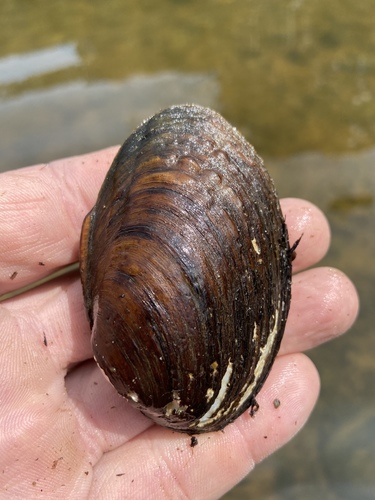
Pleurobema rubellum
CRPleurobema rubellum
The pyramid pigtoe faces severe threats from habitat destruction caused by dam construction, river channelization, and altered water flows. Water pollution from agricultural runoff, urban development, and industrial activities has degraded water quality in remaining habitats. Sedimentation from land use changes has buried suitable substrate and reduced water clarity essential for the species' survival.
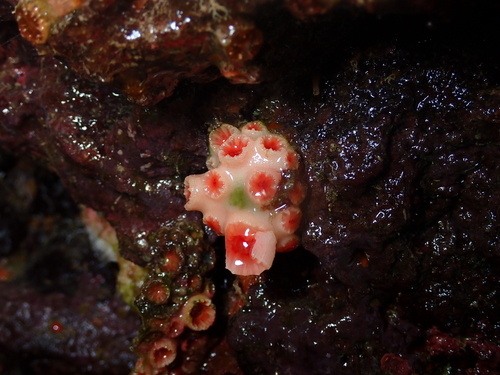
Tubastraea floreana
CRTubastraea floreana
Tubastraea floreana faces severe threats from climate change-induced ocean warming and acidification, which compromise coral health and calcification processes. The species' extremely restricted range around Floreana Island makes it highly vulnerable to local environmental disturbances and extinction events. Additional pressures include marine pollution, invasive species, and physical damage from human activities.
Pleurobema clava
CRPleurobema clava
The clubshell faces threats from habitat destruction caused by dam construction and river channelization, which alter natural flow patterns and substrate conditions. Water pollution from agricultural runoff, industrial discharge, and urban development degrades water quality and affects both the mussels and their required fish hosts.
Eviota pamae
VUEviota pamae
Cornufer wolfi
VUCornufer wolfi
Pristimantis nimbus
ENPristimantis nimbus
Pristimantis barrigai
CRPristimantis barrigai
Pristimantis barrigai faces severe habitat loss from agricultural expansion, logging, and human settlement in Ecuador's cloud forests. Climate change compounds these threats by potentially forcing the species to seek higher elevations where suitable habitat is limited.
Pristimantis caniari
CRPristimantis caniari
Pristimantis caniari faces severe threats from habitat destruction caused by agricultural expansion, logging, and human development within its restricted cloud forest range. Climate change compounds these pressures by altering the temperature and moisture conditions essential for cloud forest ecosystems.
Epioblasma metastriata
CREpioblasma metastriata
The upland combshell faces severe threats from habitat destruction caused by dam construction and river impoundment, which has eliminated much of its flowing water habitat. Water pollution from agricultural runoff and urban development degrades water quality, while sedimentation smothers the gravel substrates essential for the species' survival.
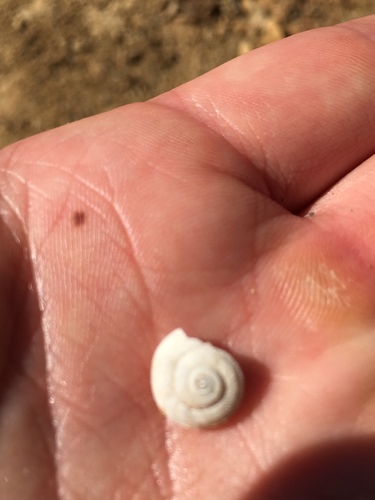
Radiocentrum avalonense
CRRadiocentrum avalonense
Radiocentrum avalonense faces threats from climate change impacts including ocean warming and acidification, which affect its deep-water habitat requirements. The species is also vulnerable to pollution from urban runoff, shipping traffic, and potential oil spills in the heavily industrialized Southern California coastal region.
Haliotis rufescens
CRHaliotis rufescens
Red abalone populations have been devastated by withering syndrome, a bacterial disease that causes mass mortality events. Climate change impacts including ocean warming, acidification, and the collapse of kelp forests have further reduced population viability and food availability.
Haliotis walallensis
CRHaliotis walallensis
The Walalla abalone faces severe threats from historical overharvesting, habitat loss due to coastal development, and ongoing impacts from climate change including ocean acidification. Disease outbreaks, particularly withering syndrome, have caused significant mortality in remaining populations. Degradation of kelp forest ecosystems, which provide essential food sources, further compromises the species' survival prospects.
Pristimantis tiktik
ENPristimantis tiktik
Gastrotheca cuencana
ENGastrotheca cuencana