Species Explorer
Browse and search species from the IUCN Red List and GBIF.
54,666 species
Gastrotheca turnerorum
ENGastrotheca turnerorum
Gastrotheca yacuri
ENGastrotheca yacuri
Stumpffia analanjirofo
ENStumpffia analanjirofo
Somatogyrus crassus
CRSomatogyrus crassus
Somatogyrus crassus faces primary threats from habitat degradation caused by water extraction, pollution, and human development activities that alter spring system hydrology. Agricultural runoff and urban development can significantly impact the water chemistry and flow patterns essential for the species' survival. Climate change poses additional risks through potential changes to groundwater recharge and regional precipitation patterns.
Octochaetus microchaetus
CROctochaetus microchaetus
Octochaetus microchaetus faces severe threats from habitat destruction caused by agricultural expansion, urban development, and land conversion activities that eliminate suitable soil environments. Climate change poses additional risks by altering soil moisture and temperature conditions essential for the species' survival. The earthworm's limited geographic distribution makes it particularly vulnerable to these localized environmental pressures.
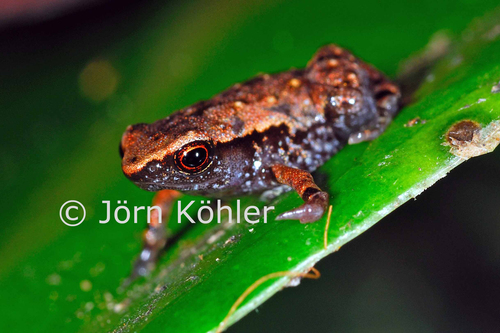
Stumpffia contumelia
CRStumpffia contumelia
Stumpffia contumelia faces severe threats from deforestation and habitat conversion in Madagascar's eastern rainforests, where agricultural expansion and slash-and-burn practices destroy the primary forest ecosystems essential for its survival. Climate change compounds these pressures by altering the moisture and temperature conditions required by this specialized leaf litter species.
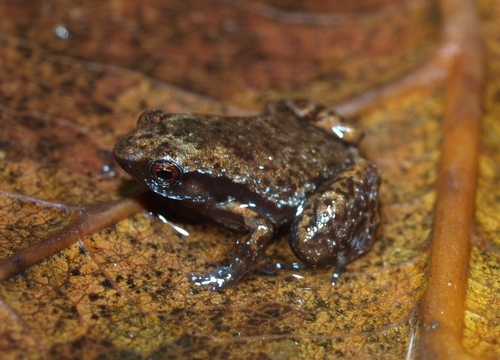
Stumpffia dolchi
CRStumpffia dolchi
Stumpffia dolchi faces severe threats from deforestation and habitat degradation in Madagascar's eastern rainforests due to agricultural expansion and human settlement. The species' restricted range and small population size make it particularly vulnerable to local extinctions. Climate change further threatens the humid forest conditions essential for this species' survival.
Elimia ampla
CRElimia ampla
Elimia ampla faces severe threats from habitat degradation caused by dam construction, river channelization, and water pollution from agricultural and urban sources. The species' limited geographic range makes it extremely vulnerable to localized environmental changes and human activities that alter natural water flow and quality conditions.
Stumpffia garraffoi
ENStumpffia garraffoi
Stumpffia iharana
ENStumpffia iharana
Gonystylus xylocarpus
VUGonystylus xylocarpus
Stumpffia jeannoeli
CRStumpffia jeannoeli
Stumpffia jeannoeli faces severe threats from deforestation and habitat destruction caused by agricultural expansion, logging, and slash-and-burn practices in Madagascar's eastern rainforests. Climate change compounds these pressures by altering the temperature and humidity conditions essential for this small frog's survival.
Hemileiocassis panjang
CRHemileiocassis panjang
Hemileiocassis panjang faces severe threats from habitat destruction caused by deforestation, agricultural expansion, and urban development in its watershed. Water pollution from industrial and domestic sources, combined with altered river flows from dam construction and water extraction, has degraded the water quality and natural habitat conditions this species requires.
Kryptopterus mononema
CRKryptopterus mononema
Kryptopterus mononema faces severe threats from habitat degradation caused by dam construction, water pollution, and river modification throughout its Mekong basin range. Agricultural runoff and industrial pollution have significantly compromised water quality in many areas where the species occurs. Additional pressures may include overfishing and collection for aquarium trade, though the magnitude of these impacts remains unclear.
Parauchenoglanis buettikoferi
CRParauchenoglanis buettikoferi
Parauchenoglanis buettikoferi faces severe threats from habitat degradation caused by deforestation, mining, and agricultural activities that degrade water quality in West African river systems. Overfishing and destructive fishing practices directly impact remaining populations. Water pollution from industrial, agricultural, and domestic sources further compromises the freshwater habitats this species requires for survival.
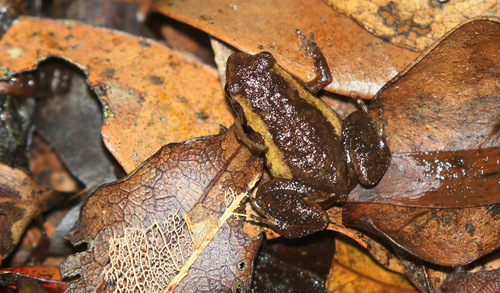
Stumpffia huwei
CRStumpffia huwei
Stumpffia huwei faces severe threats from deforestation and habitat destruction across Madagascar's eastern rainforests. Agricultural expansion, logging, and human development continue to fragment and eliminate the primary forest habitats this species requires. Climate change may further threaten the species by altering the specific microhabitat conditions necessary for its survival.
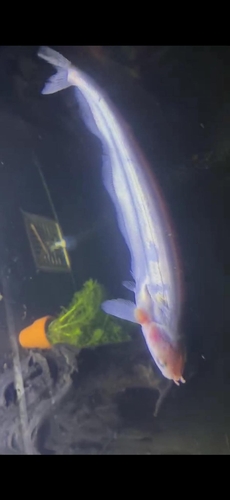
Ceratoglanis pachynema
CRCeratoglanis pachynema
Ceratoglanis pachynema faces severe threats from dam construction and river modification that disrupt its flowing water habitat. Water pollution from agricultural and industrial sources degrades water quality, while overfishing and destructive fishing practices directly impact populations.
Syngnathus watermeyeri
ENSyngnathus watermeyeri
Stumpffia mamitika
VUStumpffia mamitika
Stumpffia larinki
CRStumpffia larinki
Stumpffia larinki faces severe threats from deforestation and habitat fragmentation caused by agricultural expansion, logging, and slash-and-burn practices in Madagascar's eastern rainforests. Climate change compounds these pressures by altering the moisture and temperature conditions essential for this small amphibian's survival.
Encheloclarias kelioides
VUEncheloclarias kelioides
Listrura nematopteryx
CRListrura nematopteryx
Listrura nematopteryx faces severe threats from habitat degradation caused by mining operations, agricultural activities, and infrastructure development within its limited range. Water pollution and sedimentation from these human activities compromise the clean, fast-flowing stream conditions essential for the species' survival.
Astroblepus formosus
CRAstroblepus formosus
Astroblepus formosus faces severe threats from habitat destruction caused by mining operations, agricultural expansion, and urban development within its limited high-altitude range. Water pollution from agricultural runoff and mining activities has degraded water quality in the mountain streams where this species lives. Climate change compounds these pressures by altering temperature and precipitation patterns in sensitive high-altitude aquatic ecosystems.
Rhamdella montana
CRRhamdella montana
Rhamdella montana faces severe threats from habitat destruction caused by dam construction, water pollution from agricultural and industrial sources, and deforestation in watershed areas. Mining activities and urban development have further degraded water quality in the mountain river systems where this species lives. The fish's restricted range makes it extremely vulnerable to these environmental pressures with limited options for finding alternative suitable habitats.
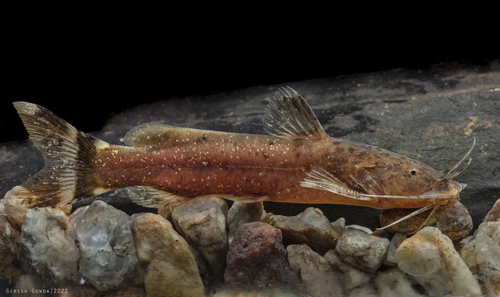
Glyptothorax kudremukhensis
CRGlyptothorax kudremukhensis
This species faces severe threats from mining activities, deforestation, and agricultural pollution that degrade its mountain stream habitat. Water quality deterioration from sedimentation and chemical runoff poses significant risks to its survival. Climate change may further impact the species through altered rainfall patterns and stream temperatures.
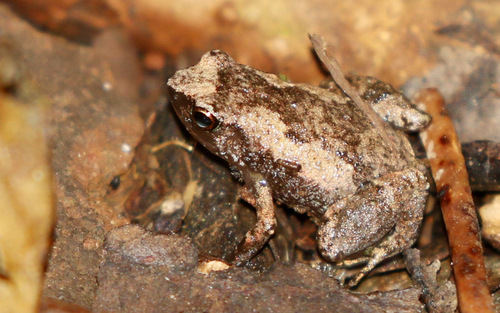
Stumpffia maledicta
CRStumpffia maledicta
Stumpffia maledicta faces severe threats from deforestation and habitat fragmentation caused by agricultural expansion, logging, and slash-and-burn practices in Madagascar's eastern rainforests. Climate change compounds these pressures by altering the moisture and temperature conditions essential for this small amphibian's survival. The species' restricted range makes it particularly vulnerable to local extinction from continued habitat loss.
Stumpffia nigrorubra
ENStumpffia nigrorubra
Lucifuga simile
CRLucifuga simile
Lucifuga simile faces severe threats from groundwater contamination caused by agricultural chemicals and urban pollution that directly impact its cave habitat water quality. Coastal development and infrastructure projects pose additional risks through habitat destruction and altered hydrology of the cave systems. Climate change effects, including sea level rise and changing precipitation patterns, threaten to disrupt the delicate freshwater-saltwater balance essential to the species' anchialine cave environment.
Synodontis dekimpei
CRSynodontis dekimpei
Synodontis dekimpei faces severe threats from habitat degradation caused by deforestation, agricultural expansion, and water pollution from mining activities in the Congo Basin. Sedimentation from soil erosion and changes in water chemistry further compromise the aquatic ecosystems where this species occurs.
Synodontis macrophthalmus
CRSynodontis macrophthalmus
Synodontis macrophthalmus faces threats from habitat degradation and water level fluctuations in Lake Turkana. Human activities around the lake basin and climate change impacts on water availability pose additional risks to this endemic species.
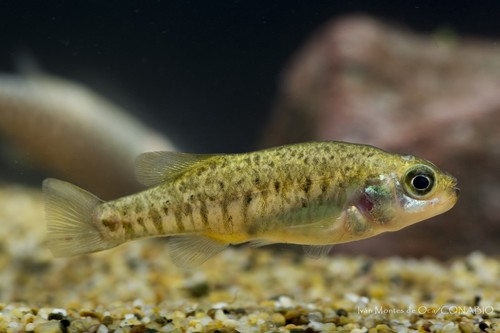
Allotoca meeki
CRAllotoca meeki
Allotoca meeki faces severe threats from habitat degradation caused by agricultural runoff, urban development, and water extraction in its native Lerma River basin. Water pollution from industrial and domestic sources has compromised habitat quality, while introduced non-native fish species create additional pressure through competition and predation.
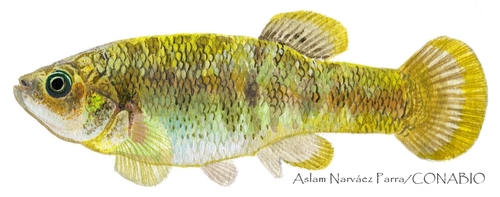
Allodontichthys polylepis
CRAllodontichthys polylepis
Allodontichthys polylepis faces severe threats from habitat degradation and water pollution throughout its limited range in Mexico's Lerma River basin. Urban development, agricultural activities, and industrial discharge have significantly altered water quality and flow patterns. Introduced non-native fish species create additional competitive pressure and predation risks for remaining populations.
Stumpffia pardus
VUStumpffia pardus
Stumpffia sorata
ENStumpffia sorata
Stumpffia yanniki
ENStumpffia yanniki
Rhombophryne regalis
ENRhombophryne regalis
Megophrys fansipanensis
ENMegophrys fansipanensis
Megophrys hoanglienensis
ENMegophrys hoanglienensis
Megophrys flavipunctata
ENMegophrys flavipunctata
Megophrys himalayana
ENMegophrys himalayana
Megophrys periosa
ENMegophrys periosa
Stumpffia spandei
CRStumpffia spandei
Stumpffia spandei faces severe threats from deforestation and habitat fragmentation caused by agricultural expansion, logging, and slash-and-burn farming practices in Madagascar's eastern rainforests. Climate change compounds these pressures by altering the humid microhabitats essential for this moisture-dependent species. The frog's limited distribution range makes it particularly vulnerable to local extinctions from ongoing habitat disturbance.
Fundulopanchax powelli
CRFundulopanchax powelli
Fundulopanchax powelli faces severe threats from habitat destruction due to urban development and agricultural expansion that eliminate the temporary wetlands essential for its survival. Water pollution from multiple sources degrades remaining habitat quality, while climate change disrupts the natural flooding and drying cycles critical to the species' reproductive success.
Kryptolebias campelloi
CRKryptolebias campelloi
Kryptolebias campelloi faces severe threats from habitat destruction caused by coastal development, agricultural expansion, and urbanization within its limited Brazilian range. Climate change further threatens the species by potentially disrupting the natural cycles of temporary pools and shallow water bodies that are essential for its survival.
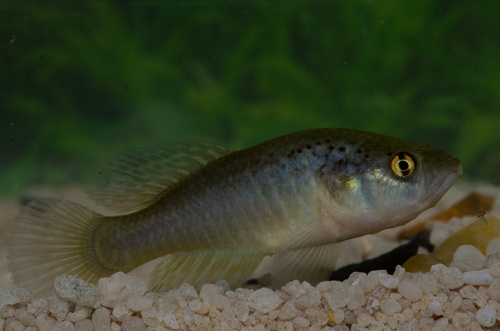
Cynolebias griseus
CRCynolebias griseus
Cynolebias griseus faces severe threats from habitat destruction due to urban development and agricultural expansion that eliminate the temporary pools essential for its survival. Agricultural pollution and altered water cycles from human activities disrupt the precise seasonal patterns this annual killifish requires for reproduction.

Siren reticulata
VUSiren reticulata
Hasemania melanura
CRHasemania melanura
Hasemania melanura faces severe threats from habitat destruction and degradation caused by deforestation, agricultural expansion, and urban development in Brazil's Atlantic Forest region. Water pollution from agricultural runoff, industrial discharge, and sewage further degrades the quality of remaining stream habitats. The species' restricted geographic range makes it particularly vulnerable to local environmental changes and population extinctions.
Hasemania maxillaris
CRHasemania maxillaris
Hasemania maxillaris faces severe threats from habitat destruction and water pollution in Brazil's Atlantic Forest region. Deforestation, agricultural expansion, and urban development have degraded the clear streams and rivers this species requires for survival. Dam construction and water diversions further fragment populations and alter essential flow patterns.
Coregonus huntsmani
CRCoregonus huntsmani
The Atlantic whitefish faces severe threats from habitat degradation caused by agricultural runoff, urban development, and dam construction that has altered natural water flows. Water quality deterioration from sedimentation and nutrient pollution has further reduced suitable habitat. Climate change compounds these pressures through rising water temperatures and altered precipitation patterns.
Virola parvifolia
VUVirola parvifolia