Species Explorer
Browse and search species from the IUCN Red List and GBIF.
54,666 species
Gambusia hurtadoi
CRGambusia hurtadoi
Gambusia hurtadoi faces severe threats from habitat destruction caused by agricultural development, water extraction, and pollution of its limited freshwater environments. The introduction of non-native fish species has created additional pressure through competition and predation. Climate change and drought conditions further threaten the already restricted aquatic habitats essential for this species' survival.
Brycon moorei
VUBrycon moorei
Anodonthyla hutchisoni
ENAnodonthyla hutchisoni
Coregonus pennantii
ENCoregonus pennantii
Salvelinus lonsdalii
VUSalvelinus lonsdalii
Arthroleptis wageri
ENArthroleptis wageri
Hyloscirtus japreria
ENHyloscirtus japreria
Tampichthys dichromus
CRTampichthys dichromus
Tampichthys dichromus faces severe threats from water pollution caused by agricultural runoff, urban development, and industrial activities throughout the Pánuco River system. Habitat modification through dam construction and water extraction has altered natural flow patterns and reduced suitable breeding areas. The introduction of non-native fish species has created additional competitive pressure on this already vulnerable population.
Sinocyclocheilus yangzongensis
CRSinocyclocheilus yangzongensis
The primary threat to Sinocyclocheilus yangzongensis is severe water pollution, particularly heavy metal contamination from industrial activities and mining operations in the Yangzong Lake watershed. This pollution has fundamentally altered the lake's water chemistry and ecosystem, creating conditions unsuitable for the species' survival. The fish's extremely limited range to a single lake system makes the entire population vulnerable to these localized environmental changes.
Oxynoemacheilus simavicus
CROxynoemacheilus simavicus
Oxynoemacheilus simavicus faces severe threats from water extraction for agriculture and municipal use, pollution from agricultural runoff and domestic wastewater, and habitat modification through dam construction and river channelization. Climate change compounds these pressures through altered water flow patterns and increased temperatures.
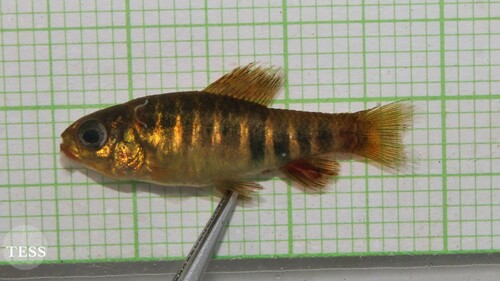
Neolebias lozii
CRNeolebias lozii
Neolebias lozii faces severe habitat loss from deforestation, agricultural expansion, and mining activities throughout its limited West African range. Water pollution from agricultural runoff and domestic waste degrades remaining aquatic habitats. The species' restricted distribution makes it extremely vulnerable to localized disturbances that could eliminate entire populations.
Gymnocharacinus bergii
CRGymnocharacinus bergii
Berg's naked characin faces severe threats from habitat modification due to agricultural activities and water extraction in its limited range. Introduced non-native fish species compete with and prey upon the native population. Climate change poses additional risks through altered water temperatures and precipitation patterns that could disrupt the delicate spring-fed ecosystem.
Chiropterotriton chico
VUChiropterotriton chico
Amatitlania myrnae
ENAmatitlania myrnae
Lindera melastomacea
VULindera melastomacea
Litsea nitida
VULitsea nitida
Alseodaphne owdenii
VUAlseodaphne owdenii
Alseodaphne owdenii faces three main ongoing threats to its survival. The construction of roads and railways fragments its forest habitat, while logging operations remove trees from the areas where it grows. Additionally, the conversion of forest land to farmland for crops that are planted year after year further reduces the available habitat for this species. All of these threats are currently ongoing with no clear indication of whether they are getting better or worse.
Eremospatha barendii
CREremospatha barendii
Eremospatha barendii faces severe threats from deforestation and habitat conversion driven by agricultural expansion, logging, and human settlement development. The species' restricted range makes it particularly vulnerable to localized habitat destruction and environmental disturbances.
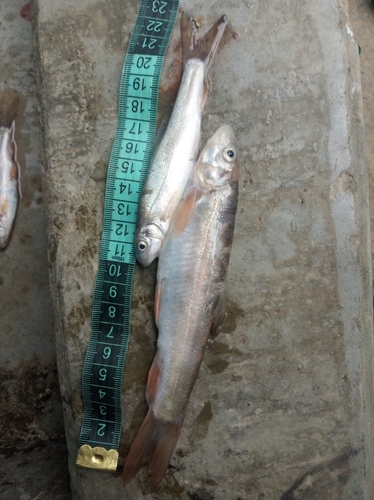
Schizothorax nepalensis
CRSchizothorax nepalensis
Schizothorax nepalensis faces severe threats from hydroelectric development that fragments its river habitat and alters essential water flow patterns. Water pollution from agricultural and domestic sources, combined with overfishing and destructive fishing practices, has further contributed to dramatic population declines.
Epalzeorhynchos bicolor
CREpalzeorhynchos bicolor
The Red-tailed Black Shark faces severe threats from habitat destruction caused by dam construction and water infrastructure development in Thailand's river systems. Additional pressures include water pollution from agricultural and industrial sources, as well as continued collection pressure for the international aquarium trade.
Alburnus mandrensis
ENAlburnus mandrensis
Phoxinellus dalmaticus
ENPhoxinellus dalmaticus
Scardinius graecus
ENScardinius graecus
Dacrydium nausoriense
ENDacrydium nausoriense
Agathis flavescens
VUAgathis flavescens
Agathis kinabaluensis
ENAgathis kinabaluensis
Balantiocheilos ambusticauda
CRBalantiocheilos ambusticauda
The primary threats to Balantiocheilos ambusticauda include extensive dam construction throughout the Mekong River system that fragments populations and disrupts natural flow patterns. Overfishing and habitat degradation from agricultural pollution and deforestation have further contributed to severe population declines across its native range.
Agathis lenticula
VUAgathis lenticula
Podocarpus parlatorei
VUPodocarpus parlatorei
Afrocarpus mannii
ENAfrocarpus mannii
Podocarpus purdieanus
ENPodocarpus purdieanus
Delminichthys jadovensis
CRDelminichthys jadovensis
Delminichthys jadovensis faces severe threats from habitat modification including hydroelectric development, water extraction, and pollution from agricultural and urban sources. Climate change compounds these pressures by altering the natural flow and temperature regimes of its limited river habitat. The species' extremely restricted distribution makes it highly vulnerable to any local environmental changes.
Cupressus atlantica
ENCupressus atlantica
Leptobrachella tengchongensis
ENLeptobrachella tengchongensis
Cornufer minutus
VUCornufer minutus
Pronothobranchius chirioi
ENPronothobranchius chirioi
Freziera uniauriculata
VUFreziera uniauriculata
Paretroplus menarambo
CRParetroplus menarambo
Paretroplus menarambo faces severe threats from habitat degradation caused by deforestation, agricultural activities, and water system modifications. The introduction of non-native fish species has created additional pressure through competition and ecosystem disruption. Climate change may further threaten the species by altering water availability and quality in its freshwater habitat.
Adrianichthys roseni
CRAdrianichthys roseni
Adrianichthys roseni faces severe threats from habitat degradation in Lake Poso, including water pollution from agricultural and domestic sources. Introduction of non-native fish species has created additional pressure through competition and predation. The species' extremely limited range makes it highly vulnerable to extinction from these localized environmental changes.
Orthochromis uvinzae
CROrthochromis uvinzae
Orthochromis uvinzae faces multiple threats including habitat degradation from sedimentation and pollution, ecosystem disruption from overfishing, and potential impacts from invasive species. Climate change and altered water conditions in Lake Tanganyika pose additional risks to this endemic species.
Cobitis kellei
CRCobitis kellei
Cobitis kellei faces severe threats from habitat degradation caused by water extraction, agricultural pollution, and urban development within its limited range in Turkey. Dam construction and water diversion projects have disrupted natural water flows, while chemical runoff and domestic waste have compromised water quality in its native streams.
Cobitis stephanidisi
ENCobitis stephanidisi
Cobitis taurica
ENCobitis taurica
Cobitis illyrica
ENCobitis illyrica
Iberochondrostoma oretanum
ENIberochondrostoma oretanum
Freziera alata
VUFreziera alata
Oreochromis chungruruensis
CROreochromis chungruruensis
Oreochromis chungruruensis faces severe threats from habitat degradation and water quality deterioration in its sole habitat, Lake Chungururu. Agricultural runoff and potential introduction of invasive species pose significant risks to this endemic population. The species' extremely limited distribution makes it highly vulnerable to any environmental disturbances affecting the lake ecosystem.
Crenicichla cyclostoma
CRCrenicichla cyclostoma
Crenicichla cyclostoma faces threats from habitat degradation and water quality deterioration within its limited range. Dam construction and agricultural activities alter natural water flow patterns and introduce pollutants that compromise the aquatic ecosystem. The species' restricted distribution makes it particularly vulnerable to localized environmental changes and human development pressures.
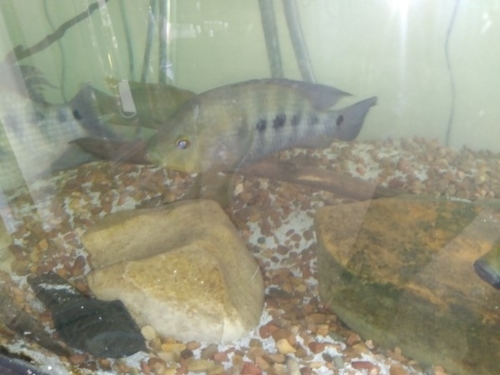
Amphilophus flaveolus
CRAmphilophus flaveolus
Amphilophus flaveolus faces severe threats from introduced non-native fish species that compete for resources and alter ecosystem dynamics. Agricultural runoff and human activities around its crater lake habitat have degraded water quality and ecosystem integrity.
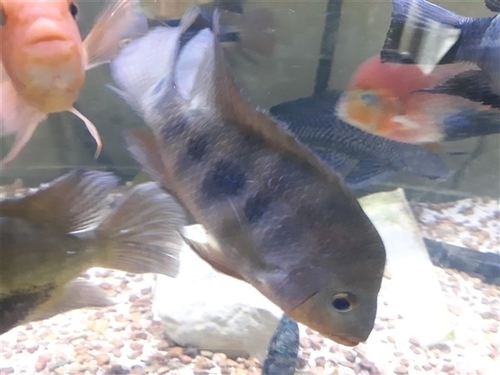
Amphilophus chancho
CRAmphilophus chancho
Amphilophus chancho faces severe threats from water pollution, habitat degradation, and the introduction of non-native species in Lake Managua. The species' entire population is confined to a single lake system that has experienced significant environmental deterioration. Industrial pollution, agricultural runoff, and sewage discharge have compromised water quality throughout its limited range.