Species Explorer
Browse and search species from the IUCN Red List and GBIF.
54,666 species
Oreochromis squamipinnis
CROreochromis squamipinnis
Oreochromis squamipinnis faces severe threats from habitat degradation caused by agricultural runoff and urban development, which compromise water quality in its freshwater systems. Competition and hybridization with introduced non-native tilapia species further pressure the declining populations. Overfishing and climate-related changes to water availability compound these threats across its limited range.
Oreochromis karomo
ENOreochromis karomo
Freziera croatii
ENFreziera croatii
Freziera ecuadoriensis
ENFreziera ecuadoriensis
Freziera golondrinensis
VUFreziera golondrinensis
Freziera monteagudoi
VUFreziera monteagudoi
Freziera neei
VUFreziera neei
Freziera siraensis
VUFreziera siraensis
Freziera peruana
ENFreziera peruana
Freziera risaraldana
VUFreziera risaraldana
Porites superfusa
ENPorites superfusa
Haplochromis aelocephalus
CRHaplochromis aelocephalus
Haplochromis aelocephalus faces severe threats from the introduced Nile perch, which preys on native cichlids and competes for resources. Water pollution from agricultural runoff and sewage has degraded Lake Victoria's water quality, creating oxygen-depleted conditions. Overfishing and destructive fishing practices have further reduced fish populations throughout the lake ecosystem.
Haplochromis hiatus
CRHaplochromis hiatus
Haplochromis hiatus faces threats from predation by introduced Nile perch, habitat degradation due to eutrophication and pollution in Lake Victoria, and historical overfishing pressure. The combination of these factors has fundamentally altered the lake's ecosystem, making recovery extremely challenging.
Haplochromis ushindi
CRHaplochromis ushindi
Haplochromis ushindi faces severe threats from the introduced Nile perch, which preys on native cichlids and competes for resources. Lake Victoria's water quality has deteriorated due to pollution and eutrophication, creating unsuitable conditions for many endemic species. Overfishing and continued ecosystem disruption compound these pressures on remaining populations.
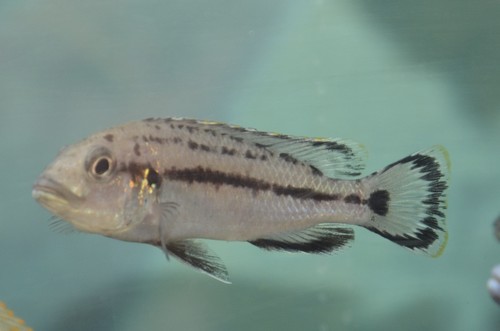
Melanochromis lepidiadaptes
CRMelanochromis lepidiadaptes
Melanochromis lepidiadaptes faces severe threats from habitat degradation caused by sedimentation and pollution from agricultural and urban sources around Lake Malawi. Overfishing pressure from both local subsistence fishing and the aquarium trade further threatens the already vulnerable population. Climate change and invasive species present additional risks to this specialized rock-dwelling cichlid.
Freziera trollii
VUFreziera trollii
Erythrostemon coccineus
ENErythrostemon coccineus
Erythrostemon coulterioides
ENErythrostemon coulterioides
Erythrostemon hughesii
VUErythrostemon hughesii
Erythrostemon macvaughii
VUErythrostemon macvaughii
Erythrostemon melanadenius
ENErythrostemon melanadenius
Erythrostemon oyamae
ENErythrostemon oyamae
Erythrostemon standleyi
ENErythrostemon standleyi
Haplochromis cassius
CRHaplochromis cassius
Haplochromis cassius faces severe threats primarily from the introduced Nile perch, which has caused widespread predation pressure on native cichlid populations. Additional threats include habitat degradation from pollution and eutrophication, along with overfishing and destructive fishing practices.
Luciogobius albus
CRLuciogobius albus
Luciogobius albus faces severe threats from habitat degradation caused by urban development, agricultural expansion, and water pollution in its limited freshwater range. Dam construction and water diversion projects have disrupted natural flow patterns essential for the species' survival. Invasive species introduction has created additional competitive pressure and predation risks for remaining populations.
Haplochromis crocopeplus
CRHaplochromis crocopeplus
Haplochromis crocopelius faces severe threats from the introduced Nile perch, which preys heavily on native cichlid species. The species is also impacted by declining water quality due to pollution, eutrophication, and sedimentation from agricultural activities around Lake Victoria. Overfishing and destructive fishing practices further pressure the remaining population.
Pachytriton wuguanfui
ENPachytriton wuguanfui

Proterorhinus tataricus
ENProterorhinus tataricus
Mogurnda mbuta
CRMogurnda mbuta
Mogurnda mbuta faces severe threats from habitat degradation caused by water pollution, mining activities, and alterations to natural river flow patterns. The introduction of non-native fish species and limited geographic distribution further compound the risks to this endemic freshwater species.
Mugilogobius amadi
CRMugilogobius amadi
Mugilogobius amadi faces severe threats from habitat degradation and loss caused by human development, agricultural expansion, and water pollution in its limited Indonesian range. The species' extremely restricted distribution makes it highly vulnerable to local environmental changes and catastrophic events.
Mogurnda furva
CRMogurnda furva
The Northern Trout Gudgeon faces severe threats from habitat degradation caused by agricultural runoff, urban development, and water extraction. Invasive fish species compete for resources and prey on juveniles, while declining water quality from pollution and sedimentation further reduces suitable habitat. Climate change compounds these pressures through altered rainfall patterns and extreme weather events that destabilize stream ecosystems.
Mogurnda vitta
CRMogurnda vitta
The chequered gudgeon faces severe threats from habitat degradation caused by agricultural runoff, urban development, and water extraction. Competition and predation from introduced species, combined with altered river flows from dam construction, have further reduced population viability.
Percina jenkinsi
CRPercina jenkinsi
The Conasauga logperch faces severe threats from habitat degradation caused by sedimentation, agricultural runoff, and stream channelization within its limited range. Water quality deterioration and altered flow regimes from human activities have significantly reduced suitable habitat. The species' extremely restricted distribution makes populations highly vulnerable to localized environmental disturbances.
Ctenodesma borneensis
ENCtenodesma borneensis
Betta burdigala
CRBetta burdigala
Betta burdigala faces severe threats from habitat destruction caused by deforestation and conversion of peat swamp forests for agriculture, particularly palm oil plantations. Water pollution and drainage of wetland areas further degrade the acidic, shallow water environments this species requires for survival.
Labeo fisheri
ENLabeo fisheri
Allomogurnda flavimarginata
CRAllomogurnda flavimarginata
Allomogurnda flavimarginata faces severe threats from habitat degradation caused by deforestation, agricultural runoff, and mining activities that compromise water quality in its native river systems. Urban development and infrastructure projects have fragmented and destroyed critical freshwater habitats. Climate change further threatens the species through altered precipitation patterns and temperature changes that disrupt aquatic ecosystem balance.
Ilex servinii
CRIlex servinii
Ilex servinii faces severe threats from habitat loss and degradation caused by human activities including land conversion and agricultural expansion. The species' extremely small population size and restricted distribution make it highly vulnerable to extinction from both environmental pressures and random demographic events.
Gonystylus spectabilis
VUGonystylus spectabilis
Kimberleyeleotris notata
CRKimberleyeleotris notata
Kimberleyeleotris notata faces threats from habitat degradation caused by agricultural activities, water extraction for mining and pastoral operations, and potential impacts from invasive species. Climate change poses additional risks by altering rainfall patterns and increasing extreme weather events that could disrupt the seasonal water cycles essential for the species' survival.
Polysteganus undulosus
ENPolysteganus undulosus
Parambassis altipinnis
CRParambassis altipinnis
Parambassis altipinnis faces severe threats from habitat degradation caused by agricultural runoff, urban development, and water pollution in its freshwater river systems. Dam construction and water extraction have altered natural flow patterns, while collection for the aquarium trade may add additional pressure on wild populations.
Mogurnda spilota
CRMogurnda spilota
The northern trout gudgeon faces severe threats from habitat degradation caused by agricultural runoff, urban development, and altered water flows from dam construction. Competition and predation from introduced fish species have significantly impacted native populations. Water extraction and quality degradation in key catchments continue to reduce available suitable habitat.
Gonystylus nervosus
VUGonystylus nervosus
Endiandra rhizophoretum
ENEndiandra rhizophoretum

Acipenser gueldenstaedtii
CRAcipenser gueldenstaedtii
Russian sturgeon face severe pressure from overfishing driven by the valuable caviar trade, with illegal poaching remaining a persistent problem despite regulations. Dam construction blocks critical spawning migrations, while habitat degradation and pollution further reduce suitable breeding areas.

Acipenser sinensis
CRAcipenser sinensis
The Chinese sturgeon faces severe threats from dam construction that blocks spawning migrations, particularly the Gezhouba and Three Gorges dams. Additional pressures include overfishing, water pollution, habitat degradation, and disruption from shipping traffic and sand mining activities.
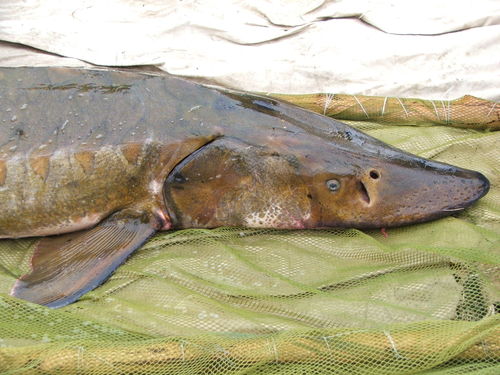
Acipenser mikadoi
CRAcipenser mikadoi
The Sakhalin sturgeon faces severe threats from overfishing driven by high commercial value of its caviar and meat. Habitat destruction through dam construction and coastal development has blocked critical spawning routes and degraded essential breeding areas.
Tembeassu marauna
CRTembeassu marauna
Tembeassu marauna faces severe threats from habitat destruction caused by deforestation and agricultural expansion throughout its Brazilian range. Pesticide use and climate change further endanger the species by reducing food sources and altering suitable nesting conditions. Population fragmentation has isolated remaining groups, limiting genetic diversity and reproductive success.
Neochanna heleios
CRNeochanna heleios
The lowland longjaw galaxias faces severe threats from wetland drainage and agricultural development that have eliminated much of its natural habitat. Water abstraction, pollution from farming activities, and competition from introduced fish species continue to impact the remaining small populations.