Species Explorer
Browse and search species from the IUCN Red List and GBIF.
54,666 species
Psilotris boehlkei
VUPsilotris boehlkei
Acacia aprica
ENAcacia aprica
Melanotaenia corona
CRMelanotaenia corona
Melanotaenia corona faces threats from habitat degradation and water quality deterioration in its native freshwater systems. Agricultural runoff, urban development, and altered water flow regimes have contributed to the decline of suitable habitat. The species' limited distribution range makes it particularly vulnerable to environmental changes and human activities.
Kiunga bleheri
CRKiunga bleheri
Kiunga bleheri faces severe threats from water pollution caused by mining operations, particularly copper and gold extraction in the Fly River system. Agricultural runoff, habitat destruction from deforestation and wetland drainage, and potential impacts from introduced species further threaten this endemic rainbowfish. The species' extremely limited distribution makes it highly vulnerable to these localized environmental pressures.
Gobiesox juniperoserrai
CRGobiesox juniperoserrai
Gobiesox juniperoserrai faces severe threats from coastal development and human activities that directly impact its rocky intertidal habitat. Climate change effects including ocean warming and acidification pose additional risks to this geographically restricted species. The extremely limited range makes the entire population vulnerable to localized environmental disturbances and pollution events.
Rheocles derhami
CRRheocles derhami
Rheocles derhami faces critical threats from deforestation and agricultural expansion that cause habitat degradation through increased sedimentation and altered water chemistry. Introduction of non-native fish species creates additional pressure through competition and predation. Water extraction for human use reduces available habitat by lowering stream levels and disrupting natural flow patterns.
Craterocephalus dalhousiensis
CRCraterocephalus dalhousiensis
The Dalhousie hardyhead faces critical threats from water extraction activities that alter the flow and quality of the artesian springs it depends on. Habitat degradation from spring modifications, introduction of exotic fish species, and potential impacts from human activities in the area further threaten this extremely range-restricted species.
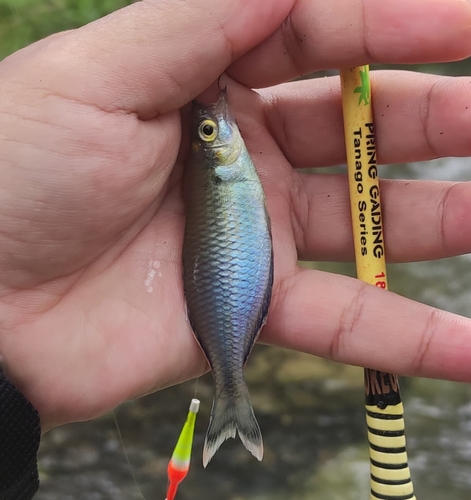
Melanotaenia kokasensis
CRMelanotaenia kokasensis
The Kokas rainbowfish faces severe threats from habitat destruction caused by deforestation, agricultural expansion, and human development in its limited range in West Papua. Water pollution from agricultural runoff and domestic waste further degrades its freshwater habitat. The species' extremely restricted distribution makes it highly vulnerable to local extinction from single disturbance events.
Chilatherina sentaniensis
CRChilatherina sentaniensis
The Sentani rainbowfish faces threats from habitat degradation due to agricultural runoff and urban development around Lake Sentani, along with competition from introduced non-native fish species. Water quality deterioration from pollution and collection pressure from the aquarium trade further threaten this endemic species.
Chirostoma aculeatum
CRChirostoma aculeatum
Chirostoma aculeatum faces severe threats from habitat degradation caused by water pollution, agricultural runoff, and urban development around its lake habitats. Introduction of non-native fish species has intensified competition and predation pressure. Water extraction for human use and climate change impacts have reduced water levels and altered habitat conditions.
Melanophryniscus pachyrhynus
ENMelanophryniscus pachyrhynus
Nectophrynoides laticeps
CRNectophrynoides laticeps
Nectophrynoides laticeps faces severe threats from deforestation and habitat conversion in Tanzania's Uluguru Mountains, where forests are cleared for agriculture and human settlement. Climate change compounds these pressures by altering the cool, humid conditions this montane species requires for survival.
Squatina oculata
CRSquatina oculata
The smoothback angelshark faces severe threats from commercial fishing activities, particularly bottom trawling operations that destroy benthic habitats and result in high bycatch mortality. Coastal development and habitat degradation have further reduced suitable breeding and feeding areas. The species' naturally slow reproductive rate makes recovery from these anthropogenic pressures extremely difficult.
Pseudoginglymostoma brevicaudatum
CRPseudoginglymostoma brevicaudatum
The shorttail nurse shark faces severe threats from habitat loss due to coastal development and coral reef degradation. Fishing pressure, both targeted and as bycatch, significantly impacts populations that are already constrained by the species' limited geographic range and slow reproductive rate.
Squatina japonica
CRSquatina japonica
The Japanese angelshark faces severe threats from intensive fishing activities, including both targeted fishing and incidental capture in bottom trawl and gillnet fisheries. Coastal development and habitat degradation have reduced available habitat, while the species' slow reproductive rate makes it particularly vulnerable to population decline.
Squatina legnota
CRSquatina legnota
The smoothback angelshark faces severe threats from commercial fishing operations, particularly bottom trawling activities that both directly target the species and capture it as bycatch. Coastal habitat degradation from human development and pollution has reduced the quality and availability of suitable sandy and muddy bottom environments essential for the species' survival.
Alosa killarnensis
VUAlosa killarnensis
Systomus martenstyni
ENSystomus martenstyni
Sicyopus jonklaasi
ENSicyopus jonklaasi
Cephaloscyllium sarawakensis
CRCephaloscyllium sarawakensis
The Sarawak swellshark faces severe pressure from intensive fishing activities, particularly bottom trawling, within its limited geographic range off the coast of Malaysian Borneo. Habitat degradation from coastal development, pollution, and sedimentation further threatens the seafloor environments where this species lives and feeds.
Machilus chrysotricha
VUMachilus chrysotricha
Machilus foonchewii
VUMachilus foonchewii
Machilus glabrophylla
ENMachilus glabrophylla
Puya navarroana
ENPuya navarroana
Gonystylus micranthus
VUGonystylus micranthus
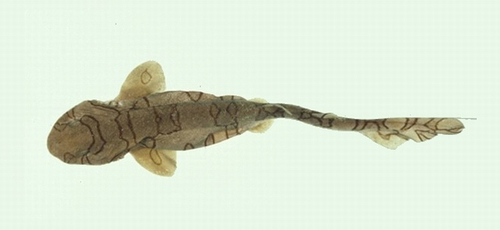
Cephaloscyllium fasciatum
CRCephaloscyllium fasciatum
The reticulated swellshark faces threats from coastal development, fishing pressure, and habitat degradation in its limited range along southeastern Australia. Pollution and climate change impacts, including ocean warming and acidification, further compromise the species' rocky reef and kelp forest habitats. The shark's slow reproductive rate and restricted distribution make populations particularly vulnerable to these cumulative pressures.
Mustelus whitneyi
CRMustelus whitneyi
Whitney's smooth-hound shark faces severe threats from intensive fishing pressure, including both targeted capture and incidental bycatch in commercial and artisanal fisheries throughout its limited range. Coastal development and habitat degradation further threaten the species' shallow water environments. The shark's restricted geographic distribution makes it particularly vulnerable to localized threats and population declines.
Cephaloscyllium silasi
CRCephaloscyllium silasi
Cephaloscyllium silasi faces severe threats primarily from commercial fishing activities, especially bottom trawling operations where it is caught as bycatch. The species' restricted distribution range along the southwestern Indian coast makes it particularly vulnerable to localized fishing pressure and habitat degradation from coastal development.
Rasbora naggsi
ENRasbora naggsi
Odorrana kweichowensis
VUOdorrana kweichowensis
Dipturus mennii
CRDipturus mennii
Dipturus mennii faces severe threats primarily from commercial bottom trawl fisheries operating within its limited range, where it is frequently caught as bycatch and discarded. The species' slow reproductive rate and restricted geographic distribution in the southwestern Atlantic make it particularly vulnerable to fishing pressure and population decline.
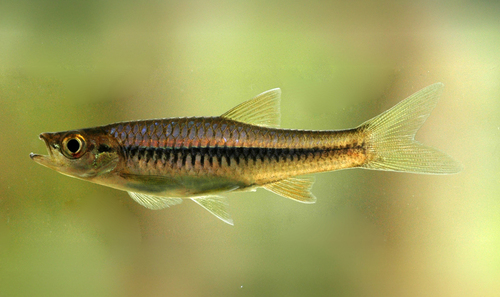
Rasbora armitagei
CRRasbora armitagei
Rasbora armitagei faces severe threats from habitat destruction caused by deforestation, agricultural expansion, and urban development within its watershed. Water pollution from agricultural runoff and industrial discharge has degraded water quality in its native streams. Dam construction and water extraction have further disrupted the natural flow patterns essential for the species' survival.
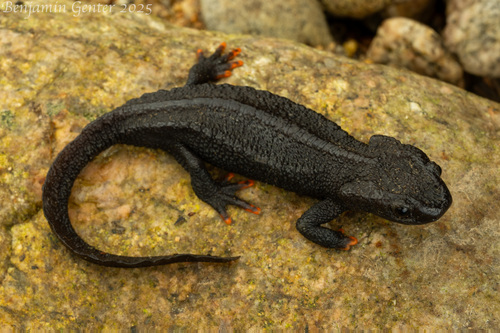
Tylototriton anhuiensis
CRTylototriton anhuiensis
Tylototriton anhuiensis faces severe threats from habitat destruction and fragmentation caused by urbanization, agricultural expansion, and infrastructure development within its restricted range in Anhui Province. Water pollution from agricultural and industrial sources degrades the aquatic breeding habitats essential for reproduction. The species' extremely limited distribution makes it highly vulnerable to local extinction events.
Carcharias taurus
CRCarcharias taurus
Sand tiger sharks face severe threats from commercial and recreational fishing, both as targeted catch and bycatch. Their extremely slow reproductive rate, with females producing only 1-2 pups every 2-3 years, makes populations highly vulnerable to overexploitation. Coastal habitat degradation and pollution further compound these pressures on remaining populations.
Rhynchobatus luebberti
CRRhynchobatus luebberti
Rhynchobatus luebberti faces severe threats from intensive fishing pressure, including both targeted fishing for its valuable fins and frequent capture as bycatch in commercial fisheries. The species' slow growth rate and late maturity make it particularly vulnerable to overexploitation, while coastal habitat degradation from development and pollution further threatens remaining populations.
Atlantoraja castelnaui
CRAtlantoraja castelnaui
Atlantoraja castelnaui faces severe threats from intensive fishing activities, including both targeted capture and incidental bycatch in trawl fisheries operating throughout its Brazilian coastal range. The species' slow reproductive rate and limited geographic distribution make it particularly vulnerable to overexploitation and population collapse.
Afropomus balanoidea
ENAfropomus balanoidea
Saulea vitrea
VUSaulea vitrea
Gabbiella tchadiensis
ENGabbiella tchadiensis
Sierraia expansilabrum
ENSierraia expansilabrum
Aspatharia droueti
VUAspatharia droueti
Cycloramphus faustoi
VUCycloramphus faustoi
Cynisca gansi
CRCynisca gansi
Cynisca gansi faces severe threats from deforestation and habitat conversion to agriculture and urban development across its limited West African range. Soil degradation and land use changes also threaten the invertebrate prey communities essential for the species' survival.
Parhoplophryne usambarica
CRParhoplophryne usambarica
Parhoplophryne usambarica faces severe threats from deforestation and habitat degradation in the Usambara Mountains due to agricultural expansion and logging activities. Climate change poses additional risks to this montane species through altered temperature and precipitation patterns. The species' extremely restricted range and small population size make it highly vulnerable to extinction from both human activities and environmental changes.

Incilius fastidiosus
CRIncilius fastidiosus
The primary threat to Incilius fastidiosus is chytridiomycosis, a fungal disease that has devastated amphibian populations throughout Central America. Climate change compounds this threat by altering cloud forest conditions and reducing suitable habitat through shifts in moisture patterns and temperature ranges.
Peltophryne fluviatica
CRPeltophryne fluviatica
Peltophryne fluviatica faces multiple severe threats including habitat destruction from deforestation and urban development, water pollution from agricultural and industrial sources, and climate change impacts on stream ecosystems. The species is also vulnerable to chytridiomycosis, a fungal disease that has caused widespread amphibian declines globally.
Osornophryne guacamayo
VUOsornophryne guacamayo
Acacia bifaria
ENAcacia bifaria
Peltophryne florentinoi
ENPeltophryne florentinoi
Gonystylus maingayi
VUGonystylus maingayi